No-Bake Desserts
French Chocolate Mousse
Why This French Chocolate Mousse Stands Above the Rest
There are chocolate desserts, and then there is mousse au chocolat. The French got this one exactly right — a dessert that is somehow both impossibly light and deeply, richly chocolatey at the same time. I’ve been making this recipe for years now, and every single time I spoon that first bite, I’m struck by how something so simple can taste so extraordinary.
The secret to a truly great chocolate mousse isn’t complicated technique or expensive equipment. It’s about understanding three ingredients — chocolate, eggs, and cream — and treating each one with the care it deserves. The chocolate needs to be good quality and properly melted. The egg whites need to be whipped to the right consistency. And the cream needs to be soft enough to fold in without deflating everything you’ve built up.
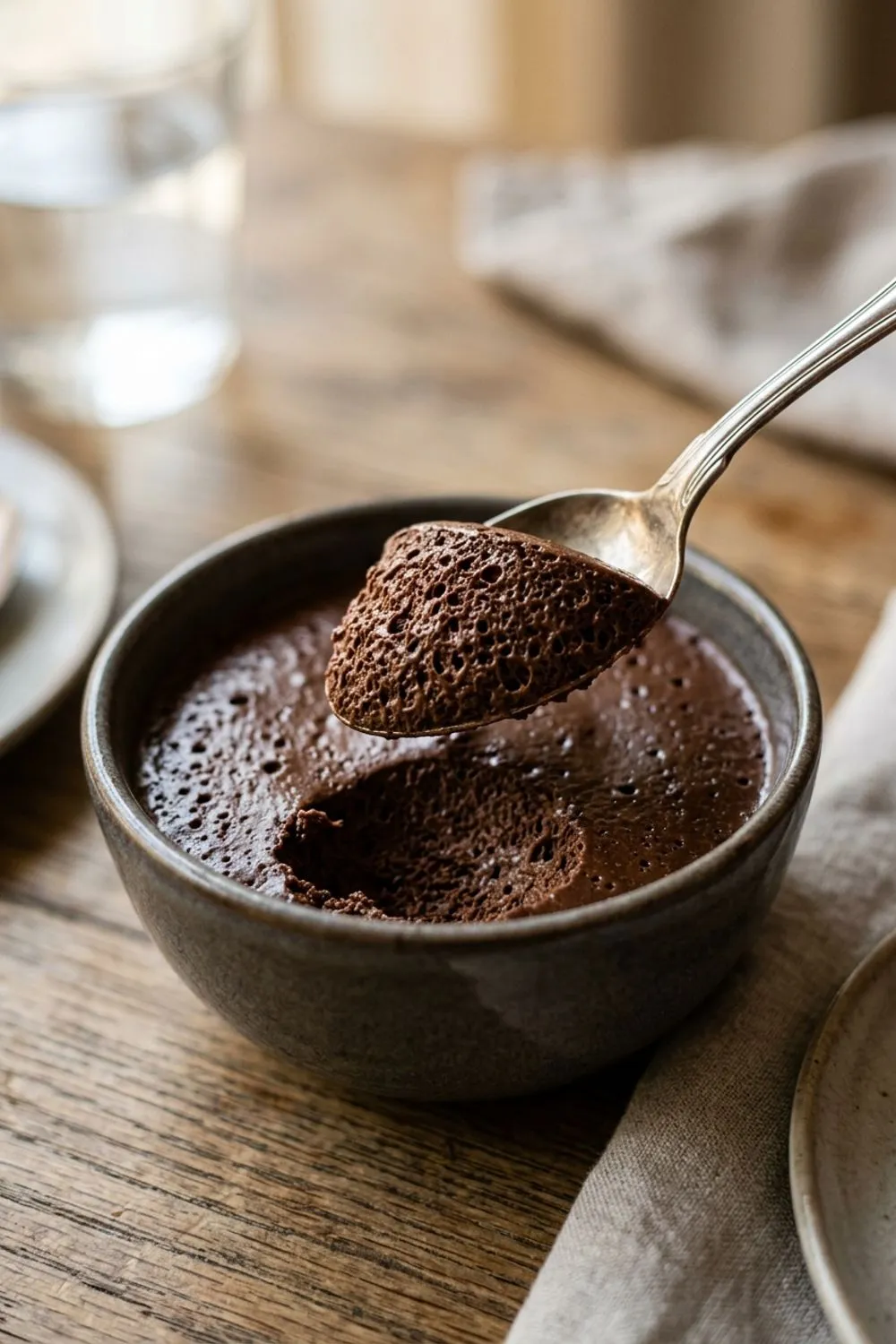
I first tasted real French chocolate mousse at a tiny bistro in Lyon during a college trip, and I spent years afterward chasing that exact texture and flavor. The versions I’d had before — from restaurants, from boxes, from those little plastic cups at the grocery store — were nothing like it. Real mousse has a quality that’s hard to describe until you experience it: it dissolves on your tongue while simultaneously delivering the most intense chocolate flavor you’ve ever tasted. It shouldn’t be possible for something so light to taste so rich, but that’s the magic of properly incorporated air.
This recipe is the result of all that chasing. I’ve tested every variable — different chocolates, different folding techniques, different ratios of whites to cream. The version I’m sharing here is the one that makes people go silent after the first bite, which is the highest compliment a dessert can receive.
Choosing the Right Chocolate
This cannot be overstated: the chocolate you use will make or break your mousse. Since there are so few ingredients, each one is pulling its weight. A mediocre chocolate will give you a mediocre mousse, and no amount of technique will fix that.
I use dark chocolate in the 70% cacao range. This gives you that beautiful bittersweet depth without being so intense that it overwhelms the airiness of the mousse. If you go much above 75%, the mousse can taste harsh and astringent. If you drop below 60%, it starts to taste more like chocolate pudding — pleasant but lacking that sophisticated edge.
Look for chocolate that lists cocoa butter as the fat source, not vegetable oil. Brands I come back to again and again include Valrhona, Guittard, and Lindt Excellence. Even a good-quality baking chocolate from the grocery store will work well — just make sure it’s real chocolate and not “chocolate-flavored” anything.
Chop the chocolate finely before melting. Smaller pieces melt more evenly and faster, which reduces the risk of overheating. If you have a food processor, you can pulse the chocolate a few times instead of chopping by hand.
The Espresso Question
I’ve listed espresso as optional, but I almost always include it. A small amount of coffee doesn’t make the mousse taste like coffee — instead, it amplifies and deepens the chocolate flavor in a way that’s almost mysterious. People will taste your mousse and say “this is the most chocolatey thing I’ve ever had,” not realizing that a teaspoon of espresso is part of the reason.
If you don’t have espresso, instant espresso powder works perfectly. Just dissolve it in a tablespoon of hot water and stir it into the melted chocolate. If you want to skip it entirely, that’s completely fine — the mousse will still be wonderful.
The Art of Folding
Folding is the single most important technique in making mousse. It’s what preserves all the air you’ve carefully whipped into the egg whites and cream, and it’s what gives mousse its ethereal texture. If you stir instead of fold, or if you fold too aggressively, you’ll end up with something closer to chocolate pudding — still tasty, but missing the whole point.
Here’s how I fold: I hold the spatula vertically and cut straight down through the center of the mixture, then sweep along the bottom of the bowl and up the far side, turning the mixture over on itself. I rotate the bowl a quarter turn and repeat. Every motion is slow, deliberate, and gentle.
The reason I add the egg whites in three batches is strategic. The first batch is a sacrifice — you fold it in more firmly to lighten the heavy chocolate base, making it easier to incorporate the remaining whites without deflating them. The second and third additions should be folded with the lightest touch you can manage.
A few white streaks remaining is far better than an overmixed, deflated mousse. Those streaks will blend in during chilling, but once you’ve knocked the air out, there’s no getting it back.
Tips for Guaranteed Success
Temperature Matters More Than You Think
The chocolate needs to be warm but not hot when you add the egg yolk mixture. If it’s too hot, it will cook the yolks and give you scrambled eggs in chocolate. If it’s too cold, it will seize up into a thick, impossible-to-fold mass. Aim for barely warm to the touch — around 95°F (35°C). I let mine cool for about 5 minutes after removing from the double boiler, stirring occasionally.
Your egg whites need to be at room temperature for maximum volume. Cold whites will whip, but they won’t reach the same height. Take the eggs out of the fridge 30 minutes before you start, or place the whole eggs in a bowl of warm water for 5 minutes.
The cream, on the other hand, should be cold. Cold cream whips faster and holds its shape better. I even chill my bowl and beaters in the freezer for 10 minutes before whipping.
The Clean Bowl Rule
Any trace of fat on the bowl or beaters will prevent egg whites from whipping properly. I always wipe my bowl and beaters with a paper towel dampened with a little white vinegar before whipping the whites. It sounds fussy, but it makes a genuine difference. Even a tiny smear of butter or oil from a previously used bowl can cut your egg white volume in half.
If you have a copper bowl, this is the time to use it — copper stabilizes egg whites and produces an incredibly smooth, sturdy foam. But a clean stainless steel or glass bowl works just fine.
Don’t Over-Whip the Cream
For mousse, you want soft peaks on the cream, not stiff peaks. Soft peaks means the cream holds a gentle curl that droops slightly when you lift the beaters. This softer cream folds into the chocolate more easily and produces a silkier final texture.
If you accidentally whip the cream too stiff, you can rescue it by gently folding in a tablespoon or two of unwhipped cream until it loosens up slightly.
Serving and Presentation
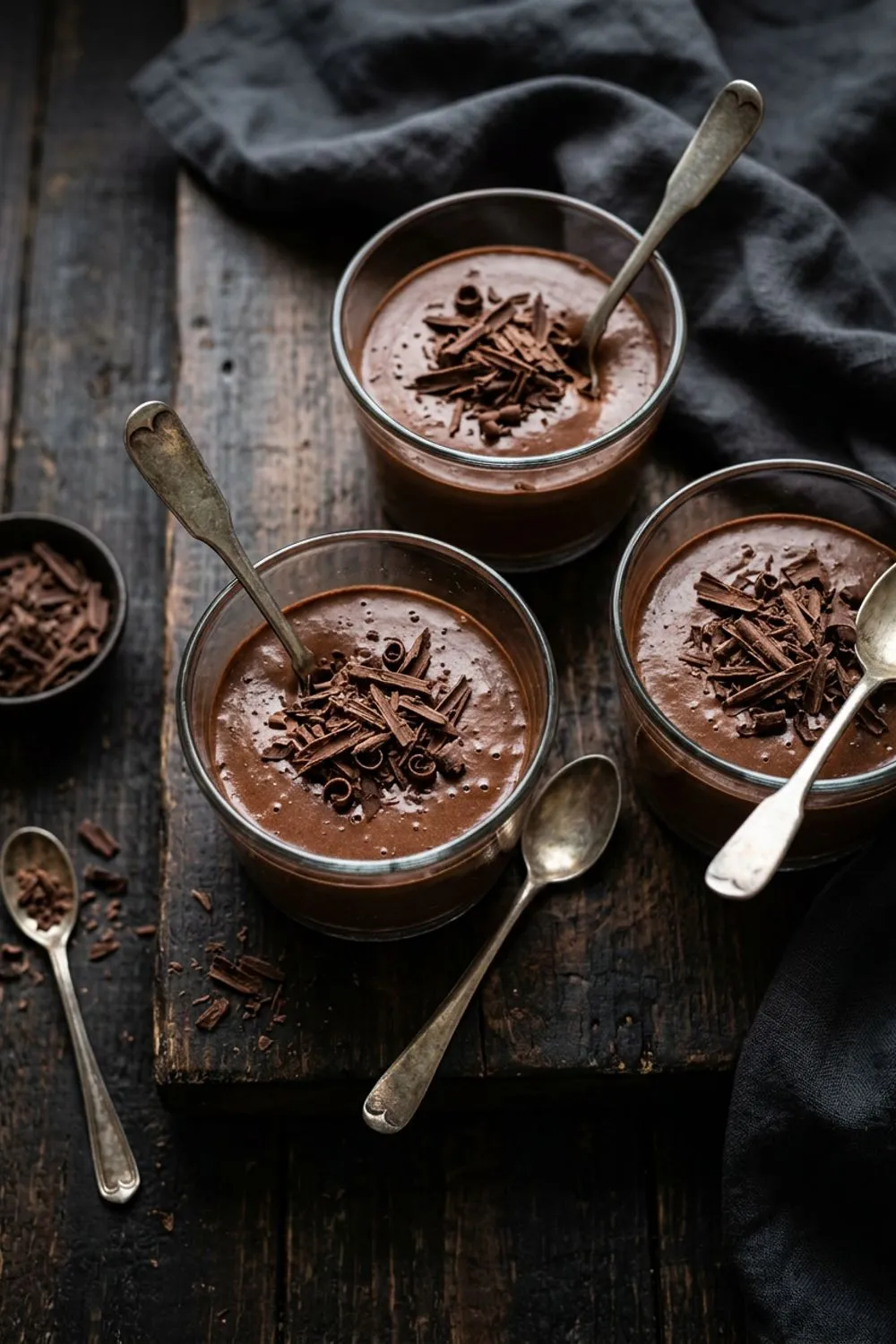
Chocolate mousse looks absolutely stunning served in clear glass vessels — wine glasses, small tumblers, or glass ramekins all work beautifully. The deep brown color is gorgeous on its own, and you can see the lovely, airy texture through the glass.
For toppings, I keep it simple. A small dollop of lightly sweetened whipped cream and a scattering of chocolate shavings is classic and elegant. You can make chocolate shavings by running a vegetable peeler along the edge of a chocolate bar. A light dusting of cocoa powder through a fine-mesh sieve is another beautiful option.
If you want to get slightly more creative, try topping each mousse with a few fresh raspberries and a mint leaf, or a sprinkle of flaky sea salt, or even a small piece of honeycomb. The contrast between the rich mousse and a bright, acidic berry or a crunch of salt is extraordinary.
For a dinner party, I like to portion the mousse into serving glasses, chill them, and then add the toppings just before bringing them to the table. The mousse holds perfectly in the fridge for up to three days, so you can make it well in advance and add the finishing touches at the last minute.
Variations Worth Exploring
White Chocolate Mousse: Replace the dark chocolate with 8 oz of good white chocolate. Reduce the sugar to just 1 tablespoon total, and add an extra tablespoon of lemon juice for balance. The texture will be even more delicate, and the flavor is like vanilla cream turned up to eleven.
Mexican Chocolate Mousse: Add 1/2 teaspoon of ground cinnamon and a pinch of cayenne pepper to the melted chocolate. The warmth from the spices comes through on the finish and makes for an incredibly interesting flavor profile. Start with just a tiny pinch of cayenne and add more to taste.
Orange Chocolate Mousse: Add the finely grated zest of one large orange and 1 tablespoon of Grand Marnier or Cointreau to the melted chocolate. The combination of dark chocolate and orange is one of those timeless pairings that never fails to impress.
Mocha Mousse: Double the espresso and add 1 tablespoon of coffee liqueur for a mousse that bridges the gap between chocolate and coffee dessert. This version is especially good served with a few chocolate-covered espresso beans on top.
Troubleshooting Common Problems
Mousse is too dense: This usually means the egg whites or cream were deflated during folding. Be gentler with your folding technique, and make sure you’re adding the whites in batches — the first batch lightens the base so the rest can be folded in more gently.
Mousse is too soft and won’t set: The chocolate may have been too warm when you folded in the other ingredients, or the cream may not have been whipped enough. Make sure you’re using cream with at least 35% fat content — anything lower won’t whip properly.
Chocolate seized into a lumpy mess: Water got into the chocolate during melting. Even a single drop of water can cause chocolate to seize. Make sure the bowl fits snugly over the pot so steam doesn’t escape, and dry the bottom of the bowl before transferring.
Mousse tastes too bitter: This happens when you use chocolate that’s too dark. Stick to the 70% range, and make sure your sugar is fully incorporated into the egg yolks. If you find that your mousse turned out more bitter than you’d like, serve it with a generous amount of sweetened whipped cream to balance it out.
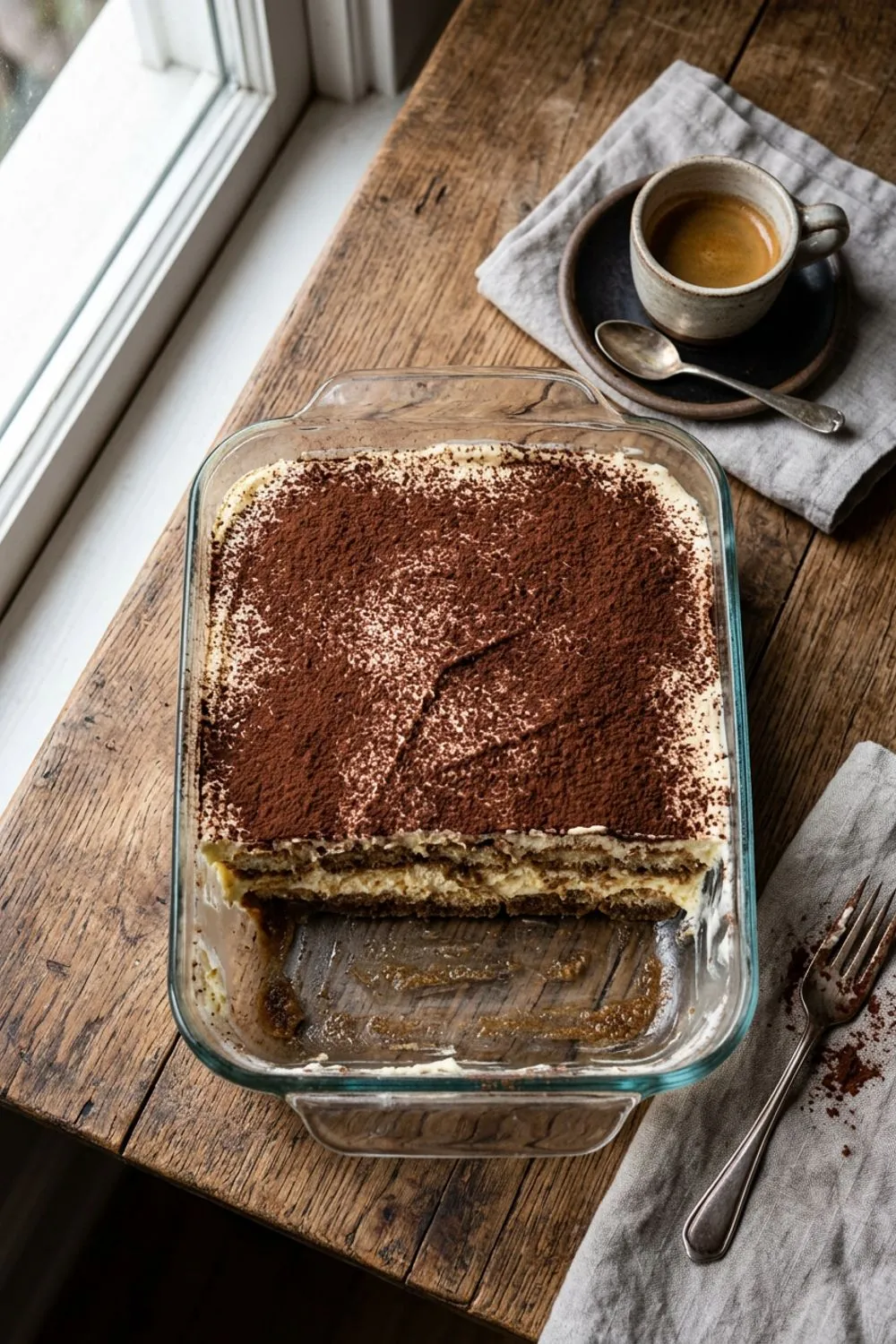
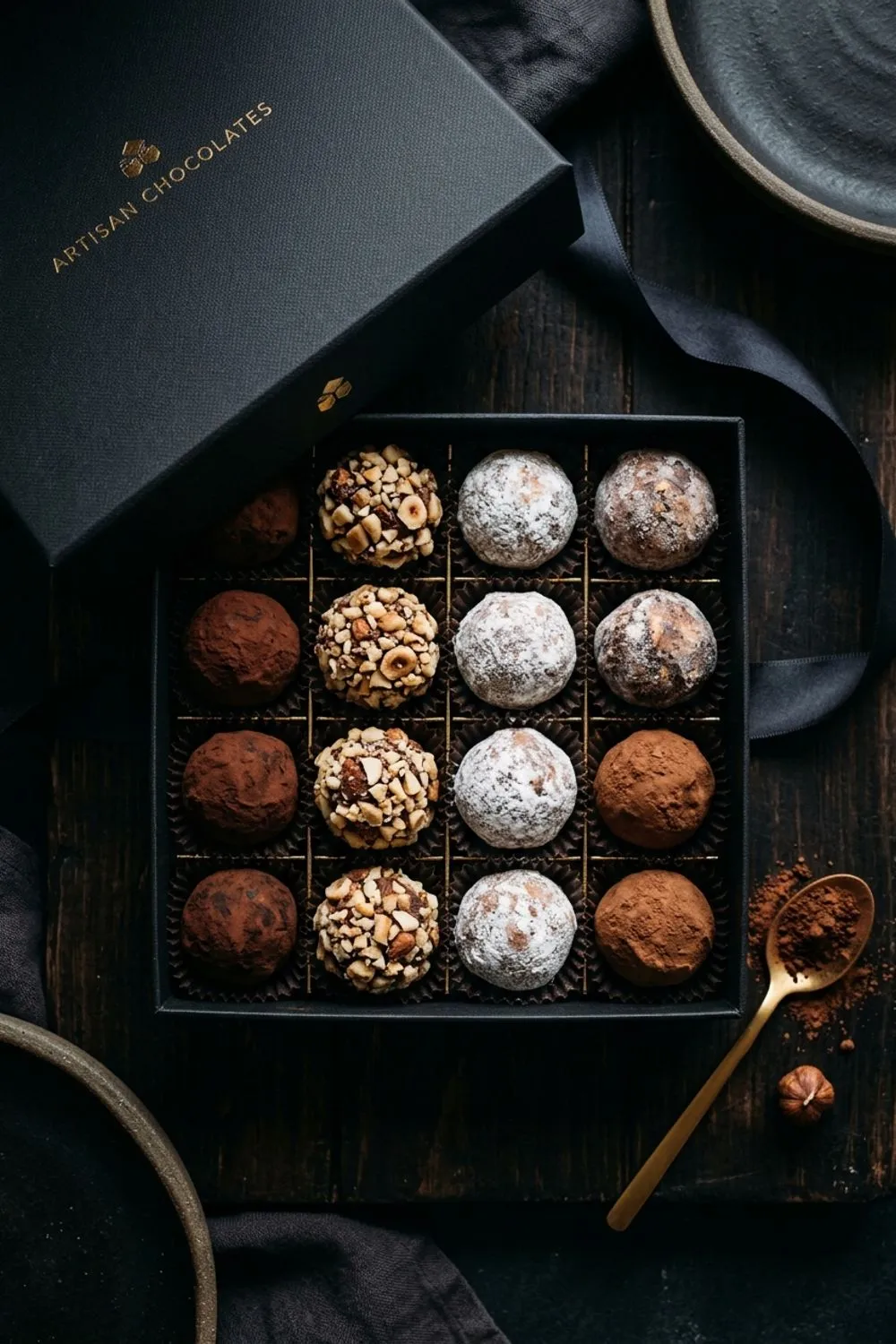
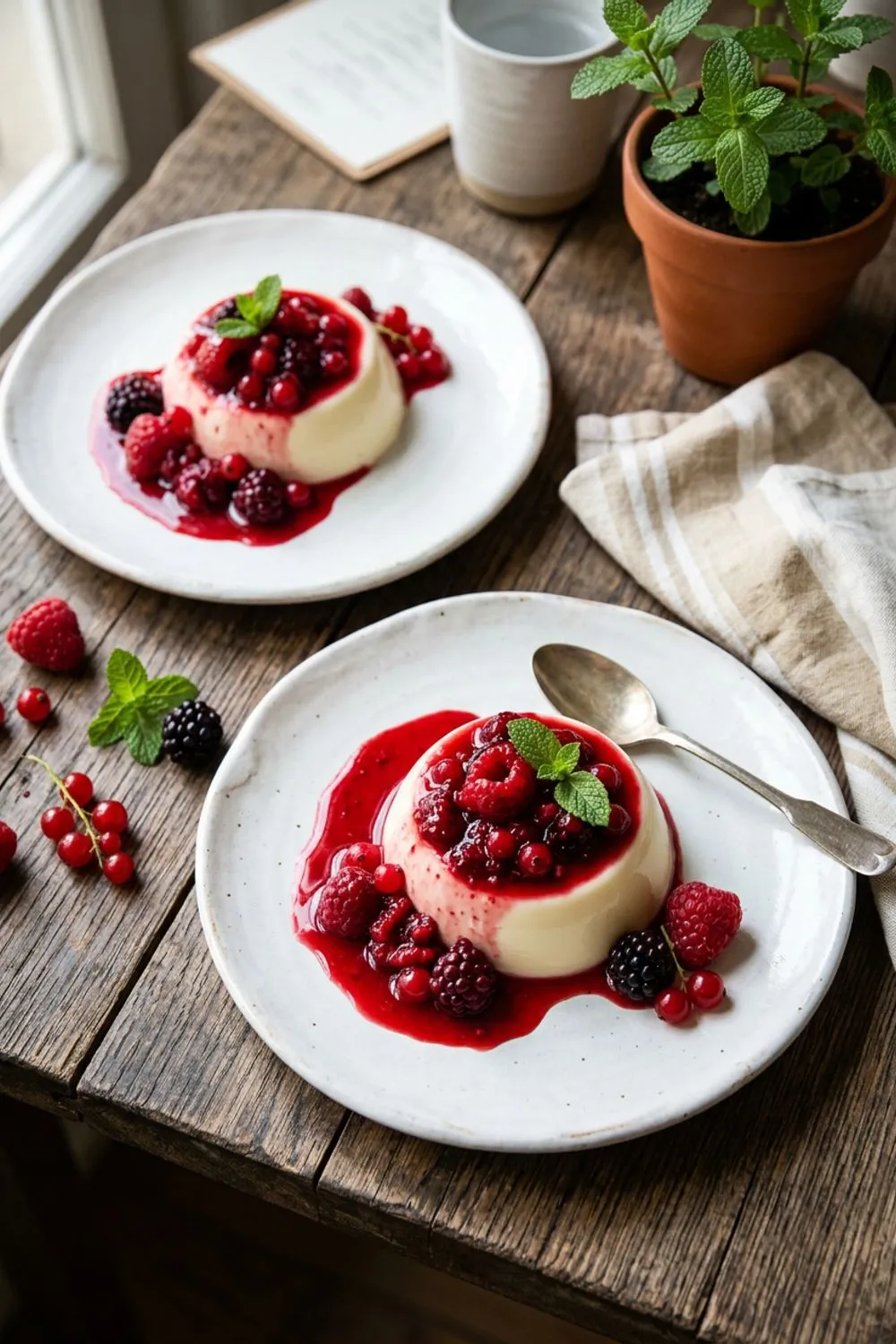
If you’re on a chocolate kick after making this mousse, my chocolate truffles use a similar ganache technique and make an incredible companion dessert. For a lighter but equally elegant French-inspired dessert, try the classic tiramisu — it has the same emphasis on quality ingredients and careful technique. And if you’re looking for something creamy and Italian rather than French, my vanilla panna cotta is silky perfection in a completely different direction.
A Brief History of Mousse au Chocolat
The word “mousse” means “foam” in French, and that’s exactly what this dessert is — a chocolate-flavored foam held together by the protein structures in whipped eggs and cream. The dish has been a staple of French cuisine since at least the 18th century, though it rose to international prominence in the 1970s when French nouvelle cuisine captivated the culinary world.
What’s remarkable about mousse is how it bridges the gap between haute cuisine and home cooking. In three-star Parisian restaurants, chefs make mousse with single-origin chocolate sourced from specific plantations in Venezuela or Madagascar. In French home kitchens, grandmothers make it with whatever chocolate is on sale at the Monoprix. And both versions are outstanding, because the technique — properly aerating and folding — matters more than the pedigree of the ingredients.
In the United States, chocolate mousse experienced a surge in popularity during the 1980s, when it appeared on virtually every restaurant dessert menu alongside creme brulee and tiramisu. It fell out of fashion for a while (replaced by molten lava cakes and flourless chocolate tortes), but it’s made a strong comeback in recent years as diners rediscover the beauty of simple, well-executed classics.
I think mousse endures because it strikes a balance that few other desserts achieve. It’s indulgent without being heavy. It’s impressive without being difficult. It requires good chocolate and careful technique, but it rewards both with a result that feels almost magical — a cloud of pure chocolate that dissolves on your tongue and leaves you wondering how something so light can carry so much flavor.
Make-Ahead and Storage Tips
Refrigerator: Mousse keeps for up to 3 days in the fridge, covered with plastic wrap. The flavor actually deepens overnight as the chocolate has time to bloom. Add any toppings just before serving.
Freezer: You can freeze chocolate mousse for up to 1 month. Cover the serving vessels tightly with plastic wrap and then foil. Thaw in the refrigerator for 4-6 hours — the texture will be slightly denser than fresh mousse, but still lovely. Some people actually prefer frozen mousse served straight from the freezer as a semifreddo-like treat.
Make ahead for parties: This is one of the best make-ahead desserts I know. You can prepare it up to two days before serving, keep it covered in the fridge, and just add toppings when you’re ready. No last-minute fussing, no oven timing to worry about, and your guests will think you spent all day in the kitchen.
Never Miss a Sweet Recipe
Join 5,000+ home bakers and get new recipes straight to your inbox.
Ingredients
For the mousse
Optional additions
Instructions
- 1
Melt the chocolate
Place the finely chopped dark chocolate in a large heatproof bowl set over a pot of barely simmering water, making sure the bottom of the bowl doesn't touch the water. Stir gently with a spatula until completely melted and smooth, about 3-4 minutes. If using espresso, stir it in now. Remove from heat and let cool for 5 minutes until warm but not hot — about 95°F (35°C). The chocolate should feel barely warm to the touch.
- 2
Whisk the egg yolks and sugar
In a medium bowl, whisk the egg yolks with 2 tablespoons of the sugar until the mixture is thick, pale yellow, and falls in ribbons from the whisk, about 2-3 minutes by hand or 1 minute with an electric mixer. Gently fold the yolk mixture into the melted chocolate using a spatula until completely incorporated and glossy.
- 3
Whip the egg whites
In a very clean, dry bowl (any trace of fat will prevent the whites from whipping properly), beat the egg whites with the pinch of salt using an electric mixer on medium speed until foamy. Increase the speed to medium-high and gradually add the remaining 1 tablespoon of sugar. Continue beating until stiff, glossy peaks form — the whites should hold their shape when you lift the beaters but still look smooth, not dry or clumpy.
- 4
Whip the cream
In another cold bowl, whip the heavy cream and vanilla extract with an electric mixer on medium-high speed until soft peaks form, about 2-3 minutes. The cream should hold a gentle curl when you lift the beaters — don't whip to stiff peaks, as the mousse will be too dense.
- 5
Fold everything together
First, fold about one-third of the whipped egg whites into the chocolate-yolk mixture using a large spatula. This lightens the base and makes the next additions easier. Then gently fold in the remaining egg whites in two batches, using slow, sweeping motions from the bottom of the bowl up and over. Finally, fold in the whipped cream in two additions. Stop as soon as no white streaks remain — overmixing will deflate the mousse.
- 6
Chill and serve
Divide the mousse among 6 serving glasses, ramekins, or small bowls. Cover each with plastic wrap and refrigerate for at least 2 hours, or up to 24 hours. The mousse will set into a perfectly silky, spoonable texture. Before serving, top with a dollop of whipped cream and a scattering of chocolate shavings or a light dusting of cocoa powder.
Nutrition Information
Per serving (serves 6). Values are approximate.
| Calories | 320 calories |
| Total Fat | 18g |
| Saturated Fat | 11g |
| Carbohydrates | 32g |
| Sugar | 24g |
| Protein | 6g |
| Sodium | 80mg |
| Fiber | 1g |
* Percent Daily Values are based on a 2,000 calorie diet. Your daily values may be higher or lower depending on your calorie needs. Nutritional information is an estimate and may vary.
Frequently Asked Questions
Is it safe to eat raw eggs in mousse?
This recipe uses raw egg whites, which carries a small risk of salmonella. To minimize risk, use the freshest eggs possible from a trusted source, or purchase pasteurized eggs. If serving to young children, elderly, pregnant women, or immunocompromised individuals, use pasteurized eggs or pasteurized egg whites from a carton.
Can I use milk chocolate instead of dark?
Yes, but reduce the sugar to 1 tablespoon total since milk chocolate is already sweeter. The mousse will have a milder, creamier flavor and a slightly softer set. I'd recommend at least 50% cacao milk chocolate for the best results.
How far ahead can I make chocolate mousse?
Chocolate mousse keeps beautifully in the refrigerator for up to 3 days, covered with plastic wrap. In fact, the flavor develops and deepens over the first 24 hours. Add toppings just before serving so they stay fresh.
Why did my mousse turn grainy?
Grainy mousse usually means the chocolate was too hot when you added the egg yolks, causing them to cook, or that water got into the chocolate while melting (which causes it to seize). Always let melted chocolate cool to barely warm before combining, and keep water away from the chocolate.
Can I make this without eggs?
You can make an eggless version by increasing the heavy cream to 2 cups and whipping it to medium-stiff peaks, then folding it into the melted and cooled chocolate. The texture will be more like a whipped ganache — still delicious, but denser and less airy than traditional mousse.

Reader Reviews
Based on 201 reviews