victoria-sponge-cake
Classic Victoria Sponge Cake
Master the timeless Victoria Sponge with this foolproof recipe. Fluffy sponge layers, jam, and cream—pure British baking bliss.
When Your Cake Turns Out Dry, Try This Instead
I spent years making dense, disappointing sponges until I learned that the secret isn’t fancy ingredients—it’s proper creaming and knowing when to stop mixing. This Victoria Sponge recipe is foolproof because it builds in every step that matters: room-temperature ingredients, thorough beating at the start, and a gentle hand when the flour goes in. You’ll have two perfect, pillowy layers ready for jam and cream in under an hour.
Baker’s Tips
- Weigh your ingredients with a scale rather than cups. Victoria Sponge is sensitive to ratios, and weight ensures consistency every single time.
- Don’t skip the cooling step—trying to assemble while the cake is warm will melt your cream and cause the layers to slip. Let them cool completely on a wire rack.
- Use good-quality jam with a high fruit content and avoid overly runny varieties. Thicker jam holds the layers together better and prevents the cake from sliding.
Variations
- Lemon Curd Victoria Sponge: Replace strawberry jam with tangy lemon curd and add the zest of one lemon to the batter for a bright, citrusy twist.
- Chocolate Victoria Sponge: Swap 3 tablespoons of flour for cocoa powder and add an extra tablespoon of milk to keep the crumb moist, then fill with chocolate ganache instead of jam.
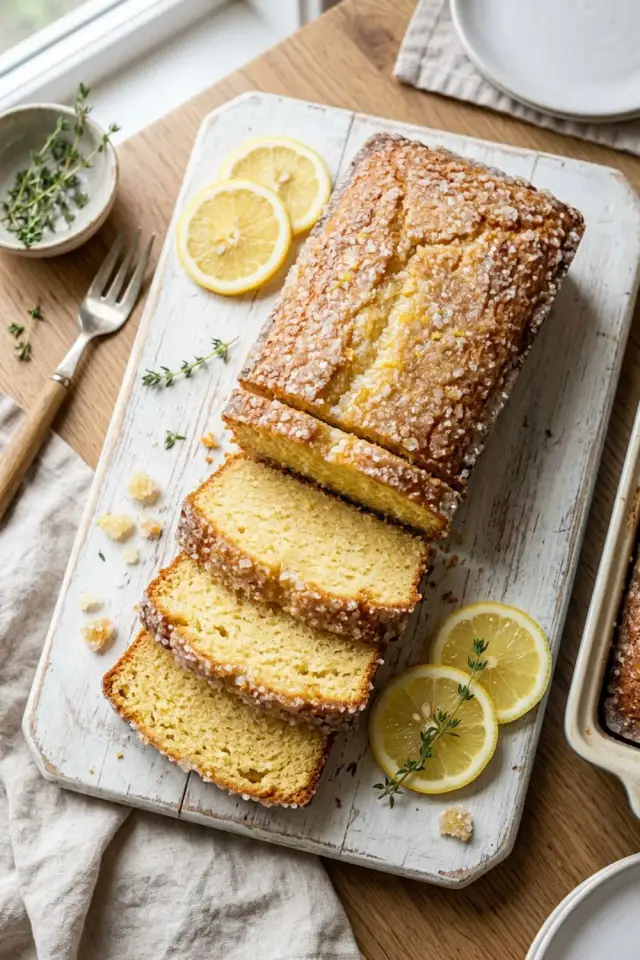
Once you’ve mastered this classic, try elevating it with lemon drizzle cake for a different flavor profile.
Ingredients
For the Cake
For Assembly
Instructions
- 1
Preheat and Prep
Heat your oven to 350°F (175°C). Grease and line two 8-inch (20cm) round cake tins with parchment paper.
- 2
Cream Butter and Sugar
Beat softened butter and caster sugar together for 3–4 minutes until pale and fluffy. This is crucial for a light, airy crumb.
- 3
Add Eggs and Vanilla
Add eggs one at a time, beating well after each addition. Pour in vanilla extract and mix until fully combined.
- 4
Fold in Dry Ingredients
Sift together flour and baking powder. Gently fold into the butter mixture in two batches, alternating with the milk. Don't overmix.
- 5
Divide and Bake
Divide batter evenly between the two tins. Bake for 20–25 minutes until a skewer inserted in the center comes out clean. Cool in tins for 5 minutes, then turn out onto a wire rack.
- 6
Whip the Cream
Once cakes are completely cool, whip heavy cream with powdered sugar until soft peaks form.
- 7
Assemble
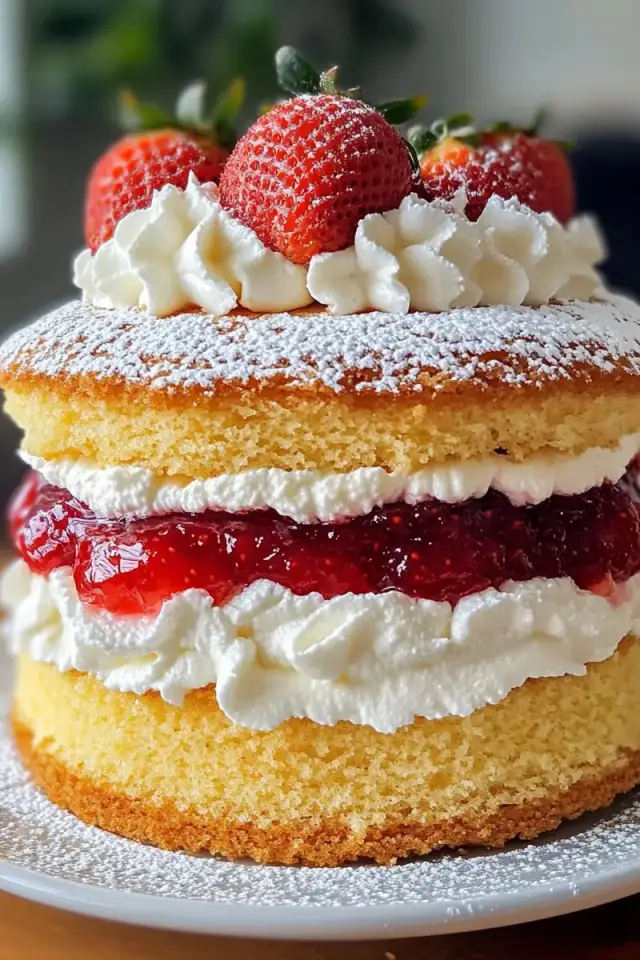
Place one cake layer on a serving plate. Spread jam evenly over the top, then add a generous layer of whipped cream. Top with the second cake layer and dust with powdered sugar.
Nutrition Information
Per serving (serves 12). Values are approximate.
| Calories | 285 calories |
| Total Fat | 14g |
| Saturated Fat | 8g |
| Carbohydrates | 38g |
| Sugar | 24g |
| Protein | 3g |
| Sodium | 210mg |
| Fiber | 0g |
* Percent Daily Values are based on a 2,000 calorie diet. Your daily values may be higher or lower depending on your calorie needs. Nutritional information is an estimate and may vary.
Never Miss a Sweet Recipe
Join 5,000+ home bakers and get new recipes straight to your inbox.
Frequently Asked Questions
Why is my Victoria Sponge dense instead of fluffy?
The most common culprit is overmixing after you add the flour. Mix just until combined—lumps are okay. Also make sure your butter and eggs are at room temperature; cold ingredients don't incorporate air as easily.
Can I make this cake ahead of time?
Yes! Bake the sponges up to 2 days ahead and store them in an airtight container. Assemble with jam and cream no more than 2 hours before serving so the cake stays fresh and the cream doesn't weep.
What if I don't have self-rising flour?
Mix 2 cups (250g) all-purpose flour with 3 teaspoons of baking powder and ½ teaspoon salt. This is a perfect substitute and gives you the same lift.

Reader Reviews
Based on 396 reviews