No-Bake Desserts
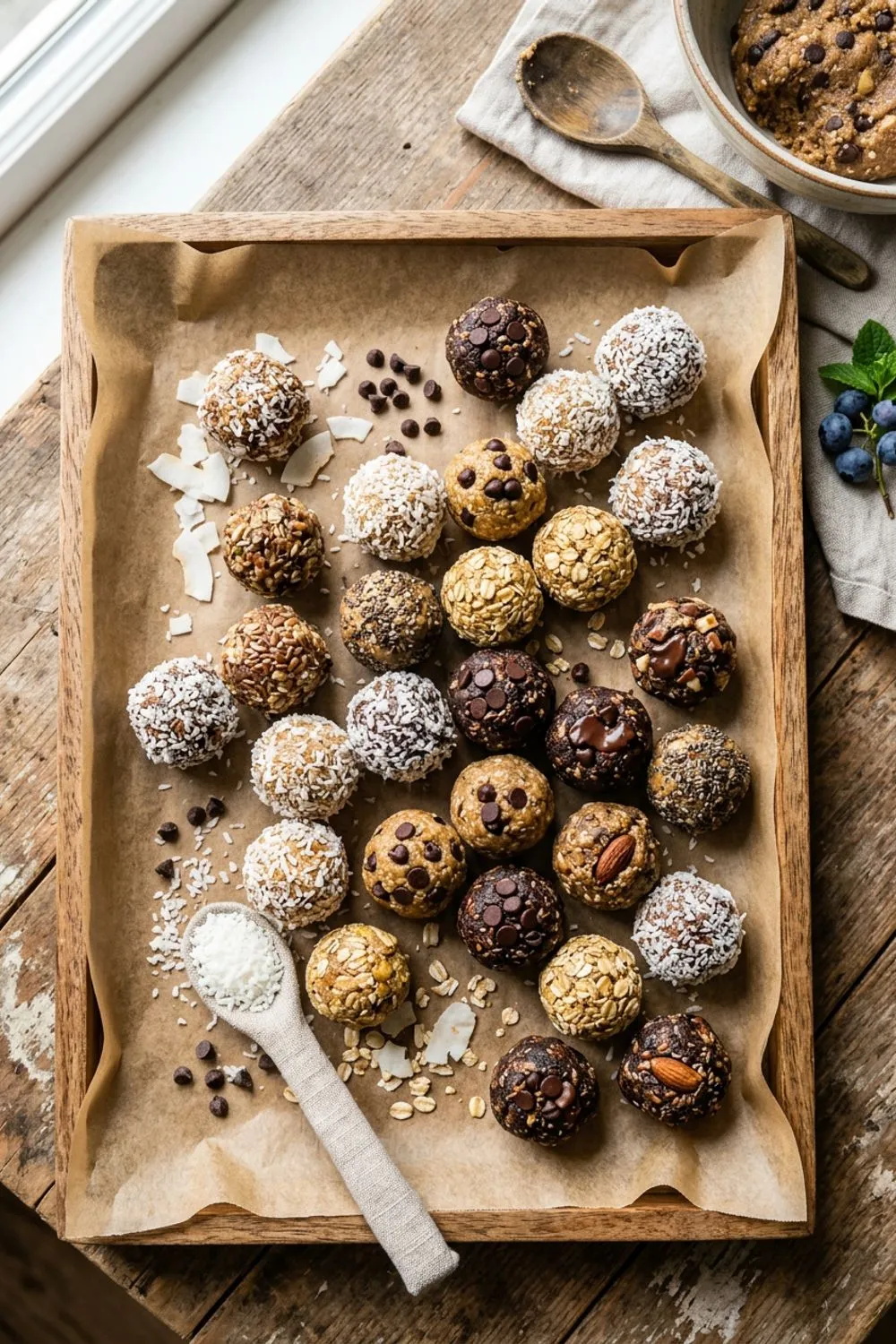
No-Bake Energy Balls
The Snack That Changed My Afternoons
I used to hit a wall every day around 3 PM. That dead zone between lunch and dinner where my energy cratered and my brain turned to static. I’d reach for a granola bar or a handful of crackers, feel vaguely unsatisfied, and then make a second trip to the pantry twenty minutes later. It was a cycle I accepted as normal until a friend handed me one of these energy balls at a playdate and casually changed my entire snacking life.
That first bite was a revelation. It was sweet enough to feel like a treat, substantial enough to actually fill me up, and had this perfect chewy-crunchy texture from the oats and chocolate chips that made it genuinely enjoyable to eat. Not “enjoyable for a healthy snack” — just enjoyable, period. I asked for the recipe on the spot, and I’ve been making them weekly ever since.
What I love most about energy balls is that they exist in this rare sweet spot between dessert and health food. They satisfy a chocolate craving without the sugar crash. They fill you up without weighing you down. And they’re made from ingredients you can feel good about — oats, peanut butter, honey, flaxseed — with just enough chocolate chips to keep things fun.
The recipe couldn’t be simpler: dump everything in a bowl, stir, chill, roll. There’s no cooking involved, no special equipment needed, and the whole process takes about 15 minutes of active work. I make a batch every Sunday during meal prep, and by Friday there are usually two or three left rattling around the container. They’re the first thing my kids reach for when they get home from school, and the first thing I reach for when that afternoon slump hits.
Why These Ingredients Work Together
Every ingredient in this recipe earns its spot. There’s nothing here for decoration or filler — each component contributes to the flavor, texture, or nutritional profile of the finished energy ball.
Rolled Oats: The Backbone
Old-fashioned rolled oats provide the structure. They absorb moisture from the peanut butter and honey, creating a chewy, cohesive base that holds everything together. They also contribute fiber, which is part of why these little balls keep you satisfied for hours instead of leaving you hungry again in twenty minutes.
I specifically call for rolled oats, not quick oats or instant oats. Rolled oats have a visible texture — you can see the flattened grain — that gives the energy balls a pleasant, slightly rustic chew. Quick oats are more finely processed and produce a smoother, pastier texture that I find less interesting. Instant oats dissolve almost completely and turn the mixture into something closer to cookie dough than a textured snack.
You don’t need to do anything to the oats before using them. Some recipes call for toasting or pulsing in a food processor, but I’ve found that plain rolled oats straight from the canister give you the best texture — chewy with distinct oat pieces that you can actually taste.
Peanut Butter: The Binder
Peanut butter is doing double duty here: it binds the oats into a rollable mixture, and it contributes rich, salty-sweet flavor plus a solid hit of protein. I use creamy, conventional peanut butter (the kind with added salt and a touch of sugar) because it produces the most consistent results.
Natural peanut butter — the kind with oil separation on top — works but can be trickier. The oil content varies between brands, which means sometimes the mixture is too wet and other times it’s perfect. If you prefer natural, stir it very thoroughly before measuring, and be prepared to adjust the oat quantity up or down by a couple of tablespoons.
Crunchy peanut butter adds visible nut pieces throughout the balls, which some people prefer. I’ve made it both ways and they’re equally good — it’s purely a texture preference.
Honey: The Sweetener and Glue
Honey provides sweetness and acts as the second binding agent alongside the peanut butter. The two together create a sticky matrix that wraps around each oat flake and holds the ball together even after chilling.
The type of honey doesn’t matter much — clover, wildflower, whatever you have. What matters is the amount. Too little honey and the balls won’t hold together. Too much and they’re overly sticky and sweet. The 1/3 cup I call for is the sweet spot — just enough to keep everything cohesive without making the balls taste like candy.
If you want to reduce the sweetness, you can cut the honey to 1/4 cup and increase the peanut butter by a tablespoon. The balls will be slightly less sweet and a touch drier, but still perfectly rollable and delicious.
Chocolate Chips: The Joy Factor
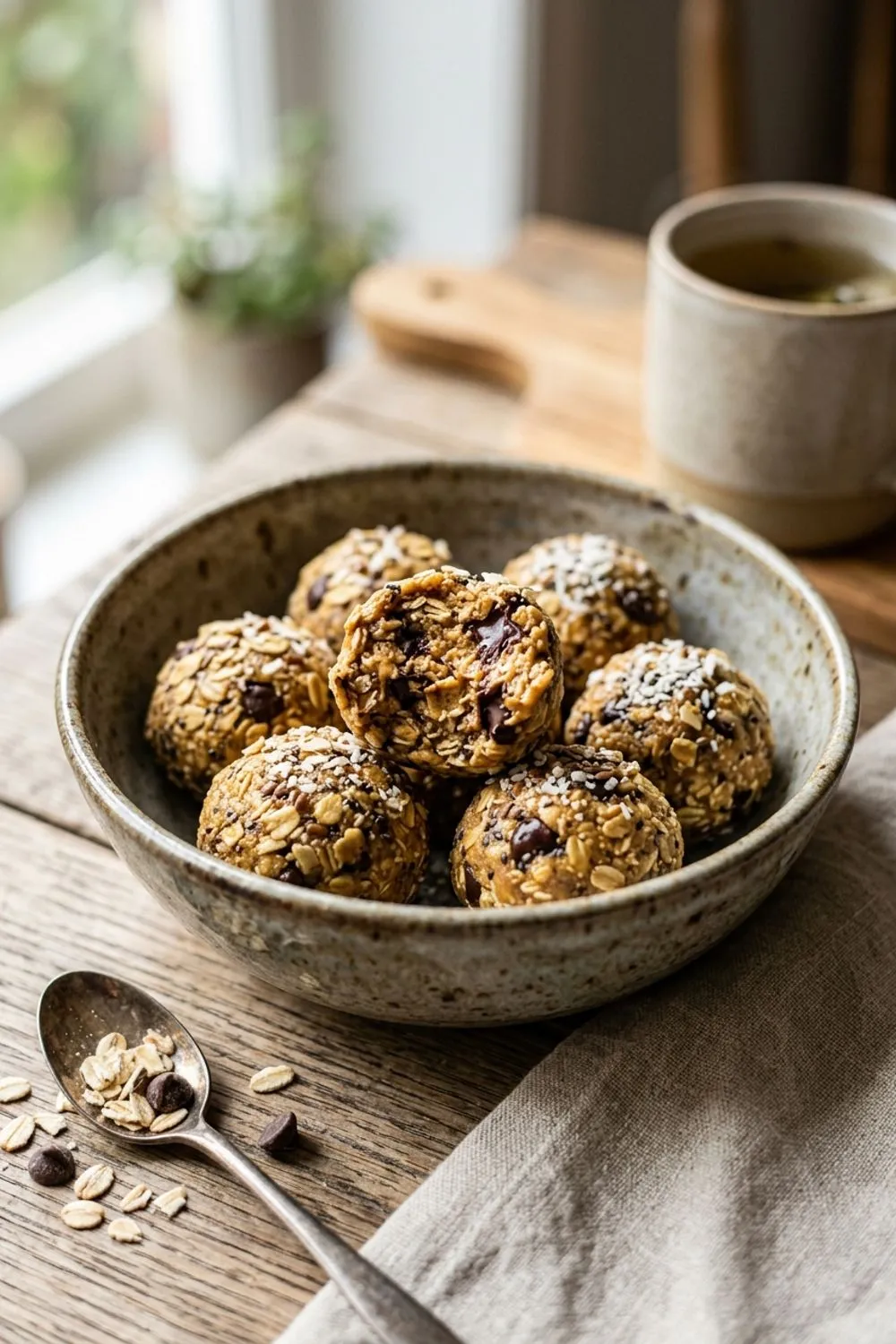
Let’s be honest — the chocolate chips are what make these energy balls something you actually want to eat rather than something you eat because you should. Mini chips distribute more evenly than standard size, so you get a little hit of chocolate in every bite instead of one giant chip in some bites and none in others.
I’ve tested these with dark chocolate chips, milk chocolate chips, and white chocolate chips. Dark gives the most sophisticated flavor. Milk is the crowd-pleaser, especially with kids. White is my wild card recommendation — it melts slightly into the peanut butter and creates a butterscotch-like quality that’s surprisingly good.
For a truly healthy version, you can swap the chocolate chips for cacao nibs, which provide chocolate flavor without added sugar. The texture is different — crunchier and more bitter — but it works well if you’re avoiding added sugar.
Flaxseed: The Nutritional Boost
Ground flaxseed adds fiber, omega-3 fatty acids, and a slightly nutty flavor that blends seamlessly into the other ingredients. Two tablespoons is enough to boost the nutritional profile without affecting the taste or texture noticeably.
You must use ground flaxseed, not whole. Whole flax seeds pass through your digestive system without being broken down, which means you don’t absorb any of their nutrients. Ground flaxseed (also called flaxseed meal) is readily available at any grocery store, usually near the baking aisle or natural foods section.
If you don’t have flaxseed or don’t want to buy it, you can substitute ground chia seeds, hemp seeds, or simply leave it out. The balls will still turn out perfectly fine.
The Chill Step Is Not Optional
I know it’s tempting to skip the 30-minute chill and start rolling immediately. I tried it once. The mixture was sticky, impossible to shape, and I ended up with peanut butter-oat paste covering both hands and somehow also my elbows. Learn from my mistakes: chill the mixture.
During those 30 minutes in the refrigerator, two things happen. First, the honey and peanut butter firm up slightly as they cool, making the mixture more cohesive and less sticky. Second, the oats continue absorbing moisture from the wet ingredients, which means they swell slightly and bind everything together more firmly.
After chilling, the mixture should feel like slightly sticky cookie dough — firm enough to scoop and hold its shape, pliable enough to roll between your palms without crumbling. If it’s still too sticky, add a couple of tablespoons of oats and chill for 10 more minutes. If it’s too dry and crumbly (rare, but possible if your peanut butter was very thick), add a tablespoon of honey.
Flavor Variations to Keep Things Interesting
The base recipe is wonderful on its own, but the beauty of energy balls is how endlessly customizable they are. Here are my favorite variations, each tested and family-approved:
Coconut Almond: Swap the peanut butter for almond butter and fold in 1/3 cup of unsweetened shredded coconut along with the chocolate chips. Roll the finished balls in additional coconut for a tropical finish.
Trail Mix: Replace the chocolate chips with a mixture of dried cranberries, chopped almonds, and sunflower seeds. Add a pinch of cinnamon. These taste like trail mix in ball form and are incredible for hiking.
Double Chocolate: Add 2 tablespoons of unsweetened cocoa powder to the dry ingredients. The oats take on a chocolatey depth, and combined with the chocolate chips, you get an intensely chocolate experience that barely registers as healthy.
Cookie Dough: Skip the flaxseed and add 2 tablespoons of cream cheese (softened) to the peanut butter mixture. The result tastes eerily like actual chocolate chip cookie dough. Don’t tell anyone what’s in them.
Pumpkin Spice (fall variation): Add 2 tablespoons of pumpkin puree and 1 teaspoon of pumpkin pie spice. Reduce the honey to 3 tablespoons to compensate for the extra moisture. These taste like autumn in a ball.
Maple Pecan: Swap the honey for maple syrup and fold in 1/3 cup of finely chopped toasted pecans. Utterly irresistible and perfect for fall and winter.
Meal Prep and Storage Strategy
Energy balls are one of the best meal-prep snacks I know. Here’s how I handle them:
Weekly prep: Every Sunday, I make a batch of 20 balls. This gives my family of four roughly one ball per person per day for five days — though honestly, they rarely make it to Friday.
Refrigerator storage: Place the balls in a single layer in a large airtight container, with parchment paper between layers if you need to stack. They keep for up to 2 weeks in the fridge, though they’re best in the first 7-10 days.
Freezer storage: For longer storage or bulk prep, freeze the balls on a parchment-lined tray until solid (about 2 hours), then transfer to a freezer bag. They keep for up to 3 months and thaw in about 10 minutes at room temperature, or you can eat them straight from the freezer — they have a pleasant, almost ice cream-like texture when frozen.
Lunchbox ready: Pop a frozen energy ball into a lunchbox in the morning. By lunchtime, it’s perfectly thawed and ready to eat. This is the strategy that gets the most use in my house.
Troubleshooting the Most Common Issues
Balls won’t hold together: The mixture needs more binding agent. Add another tablespoon of peanut butter or honey, mix well, and try again. This usually happens when the peanut butter is too thick or the oats are very dry.
Mixture is too sticky to roll: Not chilled long enough. Put it back in the fridge for another 15-20 minutes. You can also dampen your hands with cold water before rolling — the thin layer of moisture prevents the mixture from sticking to your skin.
Balls are too sweet: Cut the honey next time. You can also increase the oats by 1/4 cup, which dilutes the sweetness and adds more fiber. Using natural peanut butter (which typically has less added sugar) also helps.
Chocolate chips are melting during rolling: Your hands are too warm. Run them under cold water between batches, and work as quickly as possible. You can also use mini chips, which are less affected by hand heat because of their smaller mass.
Oats taste raw or chalky: This is unusual with good rolled oats, but if it bothers you, toast the oats in a dry skillet over medium heat for 3-4 minutes until lightly golden and fragrant before adding to the mixture. Let them cool completely first.
Nutrition Breakdown and Why It Matters
I’m not a nutritionist, and I’m not going to pretend these are a superfood. But I do think it’s worth understanding what you’re eating, especially when the whole point of energy balls is to be a smarter snack choice.
Each ball clocks in at about 120 calories, which is roughly half what you’d get from a standard chocolate chip cookie. But the composition of those calories is what matters. You’re getting protein from the peanut butter (about 3 grams per ball), fiber from the oats and flaxseed (about 2 grams), and healthy fats that keep you feeling full longer than the simple carbohydrates in most processed snacks.
The honey does contribute sugar — about 8 grams per ball — which is real and worth being aware of. But honey also contains trace minerals and antioxidants that refined white sugar doesn’t, and the fiber from the oats slows the absorption of that sugar, preventing the sharp spike-and-crash that you get from candy bars or soda.
The flaxseed contributes omega-3 fatty acids, which are anti-inflammatory and support heart health. Two tablespoons spread across 20 balls is a small amount per serving, but it’s a meaningful addition if you’re eating these regularly as part of a balanced diet.
Are energy balls a health food? They’re a healthier treat. And sometimes, choosing the healthier treat over the less healthy one is all the progress you need.
Making Energy Balls with Kids
Like rice krispie treats, energy balls are a fantastic recipe to make with children. There’s no heat involved, no sharp tools, and the rolling step is genuinely fun for small hands. My kids have been helping me make these since they were about four years old.
For younger children, I pre-measure all the ingredients into small bowls so they can dump each one into the mixing bowl. Stirring the thick mixture is great for developing hand strength and coordination. And rolling the balls — while messy — is the highlight for every kid I’ve ever cooked with.
One tip: give kids a small bowl of water to dip their fingers in between rolls. This prevents the mixture from sticking to their hands and reduces the inevitable “I can’t get it off” meltdowns. Also, don’t worry about perfectly round balls. Lumpy, lopsided energy balls taste exactly the same as round ones, and kids take more pride in imperfect creations that they can point to and say “I made that one.”
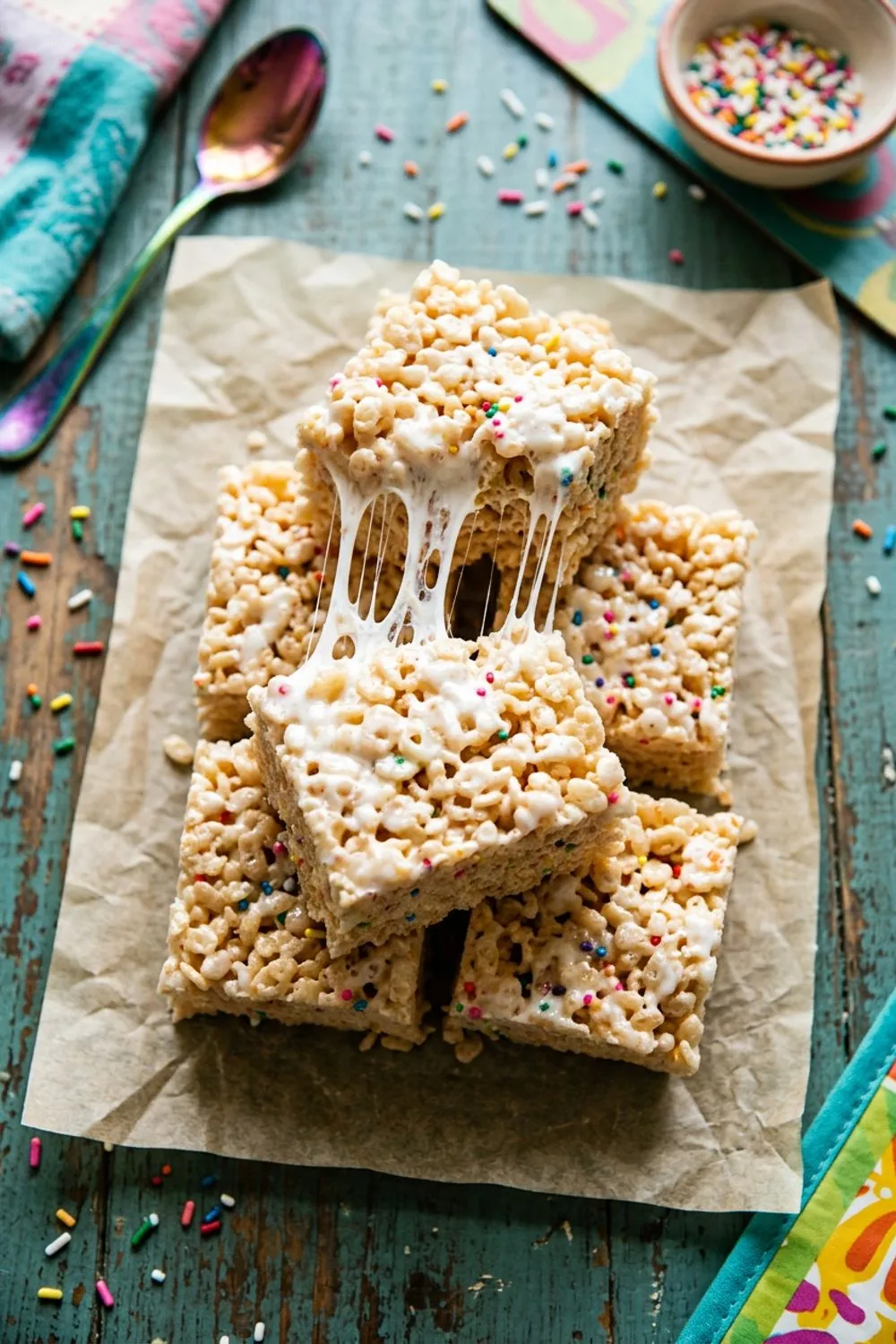
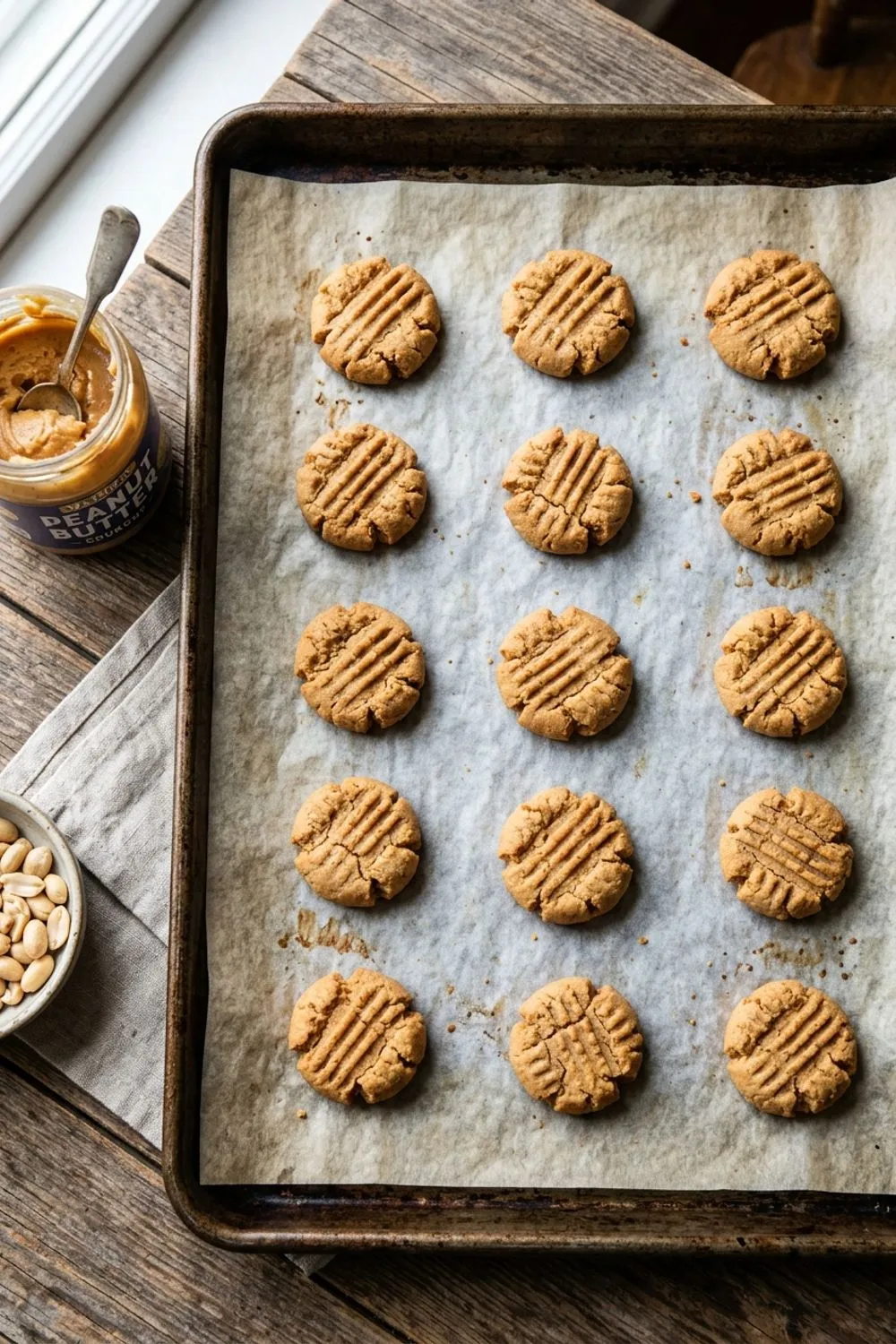
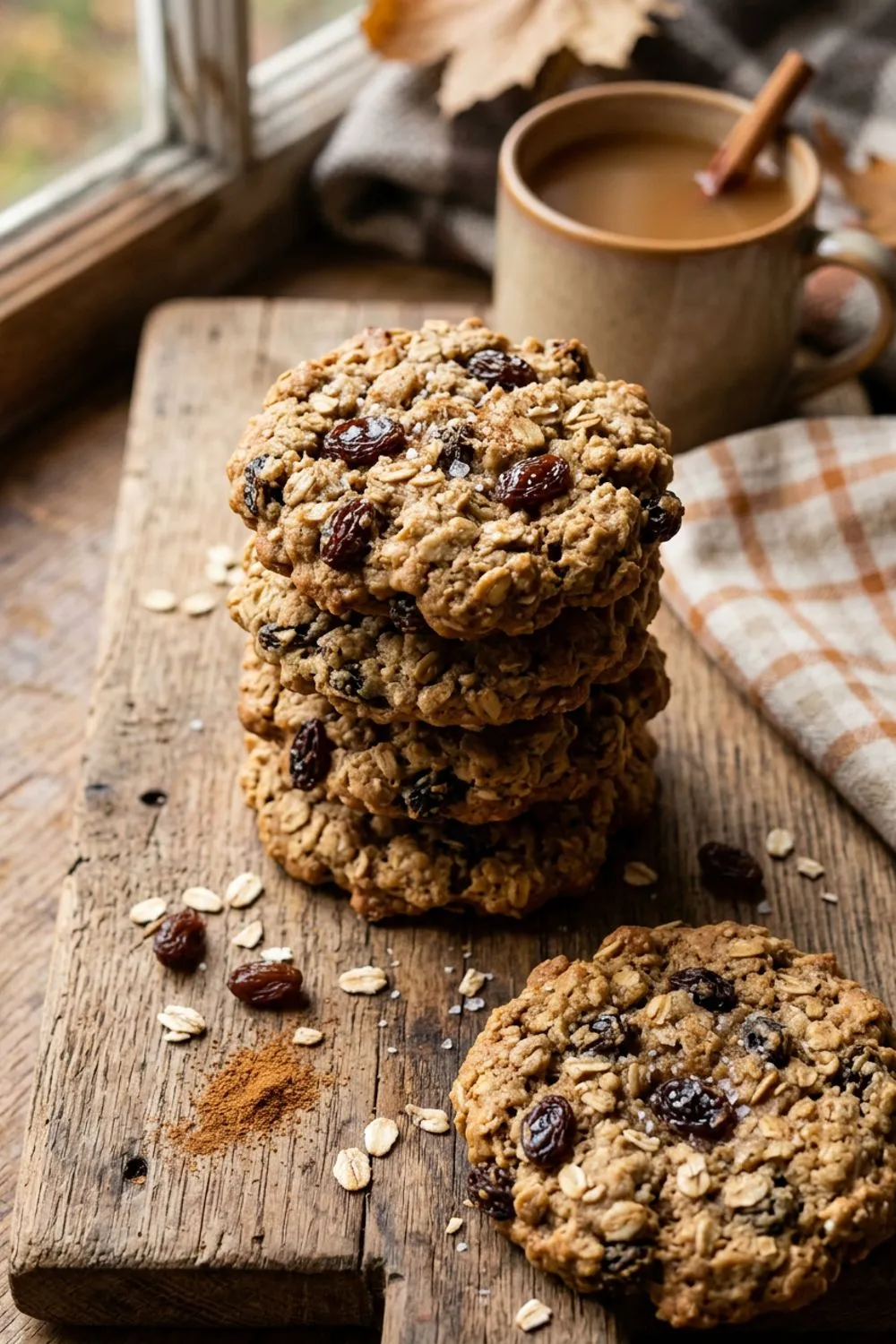
For another quick, no-bake snack that kids love, check out my rice krispie treats — they’re just as easy and infinitely customizable. If you’re a peanut butter enthusiast, my three-ingredient peanut butter cookies deliver maximum peanut butter flavor with minimal effort. And for a heartier, more traditional take on oats in dessert form, my oatmeal raisin cookies are chewy, warm, and perfect with a glass of milk.
Never Miss a Sweet Recipe
Join 5,000+ home bakers and get new recipes straight to your inbox.
Ingredients
Instructions
- 1
Mix the wet ingredients
In a large mixing bowl, stir together the peanut butter, honey, and vanilla extract until smooth and well combined. If your peanut butter is very thick or cold, microwave it for 15-20 seconds to soften — it should be stirrable but not runny.
- 2
Add the dry ingredients
Add the rolled oats, ground flaxseed, and salt to the peanut butter mixture. Stir with a sturdy spatula or wooden spoon until everything is thoroughly combined and no dry oats remain visible. The mixture should be thick, slightly sticky, and hold together when pressed.
- 3
Fold in the chocolate chips
Add the mini chocolate chips and fold them in until evenly distributed throughout the mixture. Mini chips work better than standard-size because they distribute more evenly and make rolling easier. If the mixture feels too wet to roll, add 2-3 tablespoons more oats. If too dry, add 1 tablespoon of honey.
- 4
Chill the mixture
Cover the bowl with plastic wrap and refrigerate for 30 minutes. This step is essential — the mixture firms up as it chills, making it much easier to roll into neat, cohesive balls that hold their shape. Don't skip this even if you're impatient.
- 5
Roll into balls
Using slightly damp hands to prevent sticking, scoop about 1 1/2 tablespoons of the mixture and roll between your palms into a ball roughly 1 inch in diameter. You should get about 20 energy balls. Place each on a parchment-lined baking sheet or plate as you go.
- 6
Final chill and serve
Refrigerate the rolled energy balls for at least 15 minutes until firm. Transfer to an airtight container with parchment paper between layers and store in the refrigerator. They're ready to grab and enjoy anytime.
Nutrition Information
Per serving (serves 20). Values are approximate.
| Calories | 120 calories |
| Total Fat | 6g |
| Saturated Fat | 2g |
| Carbohydrates | 15g |
| Sugar | 8g |
| Protein | 3g |
| Sodium | 55mg |
| Fiber | 2g |
* Percent Daily Values are based on a 2,000 calorie diet. Your daily values may be higher or lower depending on your calorie needs. Nutritional information is an estimate and may vary.
Frequently Asked Questions
Can I use quick oats instead of rolled oats?
Quick oats will work but give a softer, more pasty texture since they're more finely processed. Rolled oats provide a pleasant chew and more visible texture. Avoid instant oats entirely — they'll make the mixture too mushy and the balls won't hold their shape well.
What can I substitute for peanut butter?
Any nut or seed butter works: almond butter, cashew butter, or sunflower seed butter for a nut-free option. The consistency may vary slightly — if the mixture feels too dry, add a bit more honey. If too wet, add more oats.
How long do energy balls last?
Stored in an airtight container in the refrigerator, energy balls keep for up to 2 weeks. They can also be frozen in a single layer on a tray, then transferred to a freezer bag for up to 3 months. Thaw in the fridge overnight or eat straight from the freezer — they soften in about 10 minutes.
Can I make these without honey?
Yes! Maple syrup is the best 1:1 substitute and gives a slightly different but equally delicious flavor. Agave nectar also works. For a sugar-free option, try mashed overripe banana (about 1 medium banana), though the texture will be softer and the balls should be stored in the freezer.
Are energy balls actually healthy?
Compared to most desserts and packaged snacks, yes. Each ball is about 120 calories with protein from the peanut butter, fiber from the oats and flaxseed, and healthy fats. They're not calorie-free, but they're a much more nutritious option than cookies or candy bars for satisfying a sweet craving.

Reader Reviews
Based on 156 reviews