Chocolate
Hot Chocolate Bombs
The Most Magical Way to Make Hot Chocolate
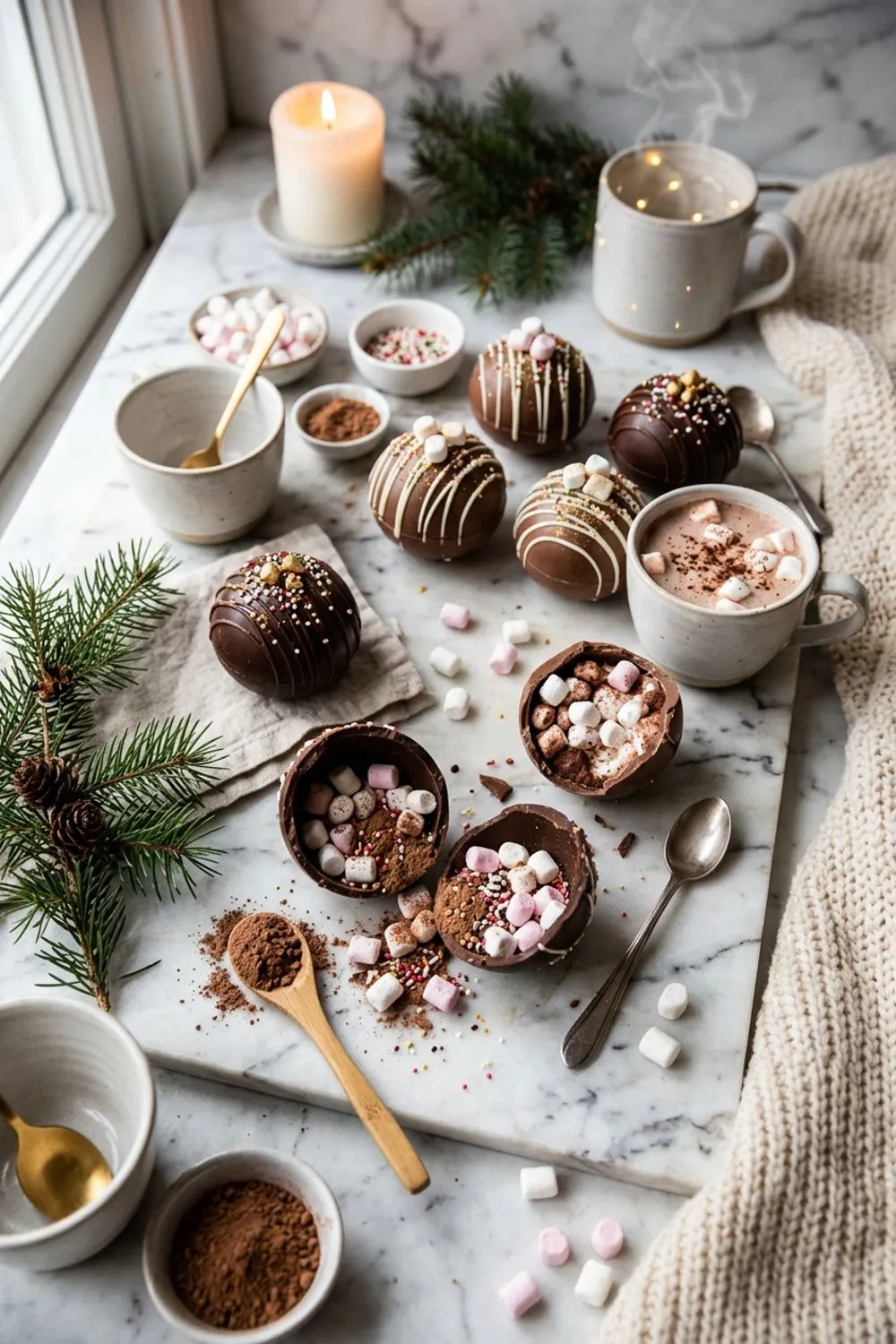
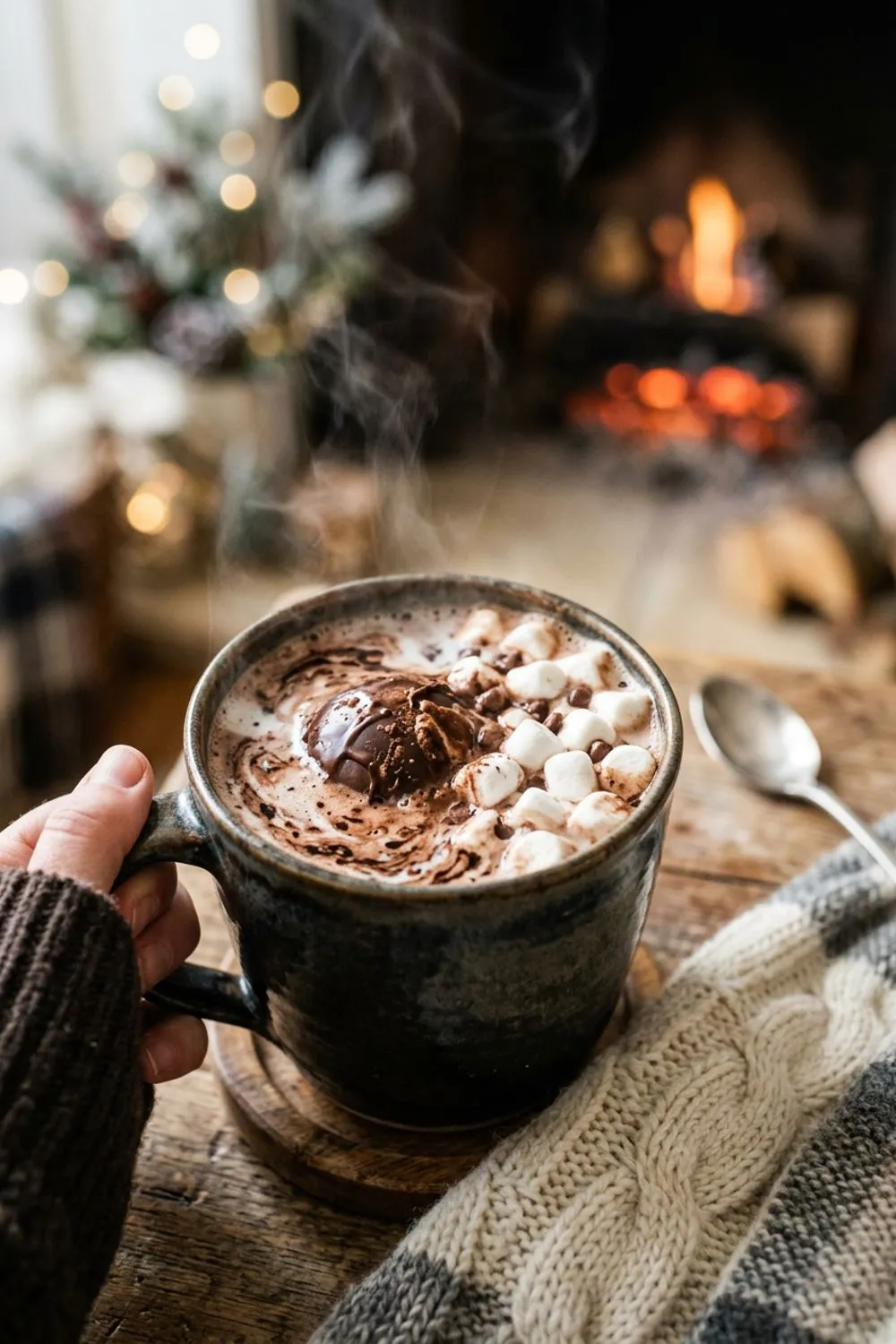
There is something genuinely enchanting about watching a hot chocolate bomb do its thing. You place this beautiful chocolate sphere in a mug, pour steaming milk over it, and then — in a moment that feels almost like a magic trick — the shell cracks open and mini marshmallows come floating to the surface in a swirl of chocolate and cocoa. It is the kind of experience that makes grown adults grin like children, and I have yet to serve these to anyone who was not completely delighted.
Hot chocolate bombs exploded in popularity a few years ago, flooding social media with mesmerizing slow-motion videos of chocolate shells cracking open in mugs of milk. I was skeptical at first. Were they a gimmick? Would the hot chocolate actually taste good, or was this all about the visual? The first batch I made answered those questions emphatically. The chocolate that melts into the milk creates a richness that no powder-from-a-packet could ever approach. You are essentially making hot chocolate with real melted chocolate, which is how the best hot chocolate in the world has always been made. The bomb format just makes the experience theatrical and fun.
Since that first batch, I have made hundreds of hot chocolate bombs. I have given them as gifts, brought them to holiday parties, and shipped them to friends across the country. They are impressive, portable, shelf-stable for weeks, and remarkably easy to make once you understand the technique.
What You Need
The Molds
A silicone sphere mold is essential. I use 2.5-inch (6.5cm) molds, which produce bombs that fit comfortably in a standard mug and hold enough cocoa mix for a rich cup of hot chocolate. Smaller molds work but produce a weaker hot chocolate. Larger molds require more milk and may not fit in some mugs.
Silicone molds are the only practical option because the flexibility allows you to pop out the fragile chocolate shells without breaking them. Hard plastic or metal molds make unmolding nearly impossible.
The Chocolate
Chocolate melting wafers — sometimes called candy melts or coating chocolate — are the best choice for beginners. They are specifically formulated for melting and molding, which means they set with a smooth, even finish and a clean snap. They are available in milk, dark, and white chocolate varieties, as well as colors like pink, green, and blue.
You can absolutely use regular chocolate bars, chopped and melted, for a more sophisticated flavor. The trade-off is that untempered regular chocolate will set with a softer texture and may develop bloom (white streaks) over time. If appearance is important and you are not experienced with tempering, stick with melting wafers.
The Filling
The classic filling is hot cocoa mix and mini marshmallows. I use about 1 tablespoon of cocoa mix per bomb. Any brand works — I like Swiss Miss or Ghirardelli for convenience, or you can make your own by combining 1 tablespoon of cocoa powder, 1 tablespoon of sugar, and a pinch of salt per bomb.
Beyond cocoa mix and marshmallows, you can add crushed peppermint candies, caramel bits, cinnamon, espresso powder, or a pinch of cayenne pepper. The filling is where you can get creative and personalize each bomb.
The Technique in Detail
Coating the Molds
This is the step that determines whether your bombs look professional or amateurish. The chocolate layer needs to be thick enough to hold its shape when unmolded and withstand the heat of the milk without collapsing immediately — but thin enough that it melts within 30 to 60 seconds when the hot milk hits it.
Use a silicone brush to paint the melted chocolate into each mold cavity. Start at the rim and work toward the center of the base. The rim should be the thickest part because it is the most vulnerable to breaking during unmolding and assembly. I build up the rim to about 3/16 inch while keeping the rest at about 1/8 inch.
The freezer sets the chocolate quickly — 5 minutes is enough for a solid first coat. Then apply a second coat to reinforce any thin spots. Holding the mold up to a light after the first coat reveals any areas that need attention. You should not be able to see any light through the chocolate.
Unmolding Without Disaster
Cold chocolate contracts slightly as it sets, which means properly chilled shells should release from the silicone mold with a gentle flex. If they are sticking, they need more time in the freezer. If they crack during unmolding, the chocolate layer was too thin.
Handle the shells by their edges, not their faces. The warmth of your hands will leave fingerprints and can weaken the chocolate. If you are making a large batch, keep finished shells on a parchment-lined sheet in a cool place while you work.
The Sealing Technique
Sealing the two halves together is the trickiest part of the whole process, but the warm plate method makes it manageable. Microwave a ceramic plate for about 30 seconds — it should be warm but not burning hot. Briefly press the rim of the empty half-sphere onto the warm plate to melt just the very edge. Then immediately press it onto the filled half and hold for a few seconds.
The melted edge acts as glue, bonding the two halves together. If the seal is not complete or has visible gaps, you can run a finger dipped in melted chocolate around the seam to reinforce it.
Work quickly — you have about 5 seconds between lifting the shell off the warm plate and pressing it onto the other half before the melted edge re-solidifies. If you miss the window, just touch it to the warm plate again briefly.
Decorating for Maximum Impact
Plain hot chocolate bombs are perfectly lovely, but decorated ones are gifts. Drizzle contrasting chocolate over the sealed bombs in zigzag patterns. Add sprinkles while the drizzle is still wet so they stick. Crushed candy canes, edible gold dust, or colored sprinkles all look spectacular.
For a particularly polished look, drizzle white chocolate over dark chocolate shells or dark chocolate over white shells. The contrast is striking and looks professional. You can also use colored candy melts for seasonal themes — red and green for Christmas, pastel colors for Easter, orange for Halloween.
If you are giving these as gifts, package them in clear cellophane bags tied with ribbon, or nestle them in small boxes with tissue paper. Include a tag with instructions: “Place in a mug and pour 1 cup of steaming hot milk over the bomb. Stir and enjoy.”
Getting the Best Hot Chocolate
The type of milk matters. Whole milk produces the richest, creamiest hot chocolate because the fat in the milk emulsifies with the melting chocolate to create a velvety texture. Two percent milk works well too. Skim milk produces a thinner, less satisfying result.
Heat the milk until it is steaming and just below a simmer, about 180°F (82°C). Milk that is too cool will not melt the chocolate shell quickly enough, leading to a disappointing slow dissolve rather than the dramatic crack-and-release we want. Milk that is boiling may scorch and develop an off flavor.
Pour the milk slowly over the bomb — a dramatic pour from about 6 inches up hits the bomb with enough force to crack the shell cleanly. Then sit back and watch the magic happen.
Flavor Combinations to Try
Peppermint: Fill with cocoa mix and crushed candy canes. Use dark chocolate shells. Top the finished hot chocolate with whipped cream and a candy cane stirrer.
Salted caramel: Add 2 caramel squares and a pinch of flaky salt to each bomb alongside the cocoa mix. Use milk chocolate shells.
Mexican hot chocolate: Add a pinch of cinnamon and a tiny amount of cayenne pepper to the cocoa mix. Use dark chocolate shells. The warmth sneaks up on you and is wonderful on a cold night.
White chocolate raspberry: Use white chocolate shells filled with white cocoa mix and freeze-dried raspberry pieces. The raspberry melts into the milk and creates a gorgeous pink color.
Making Large Batches for Gifting
Hot chocolate bombs are one of the best homemade gifts you can give, and they scale beautifully. A single batch of 12 ounces of melted chocolate produces about 6 bombs. For a serious gifting operation, I typically make 4 to 5 batches over a weekend, yielding 24 to 30 bombs — enough for a dozen gift packages.
When making large batches, work in stages. Melt one batch of chocolate at a time and coat a full set of molds. While those are in the freezer setting, prepare the fillings and decorations. By the time you have everything organized, the first batch of shells is ready for the second coat.
Assembly line the filling and sealing process. Set all the half-spheres out, fill the bottom halves, then seal them all at once using the warm plate method. This is more efficient than filling and sealing one at a time, and it ensures consistent results across all the bombs.
For packaging, clear cellophane bags tied with ribbon are the classic choice. You can also use small kraft paper boxes with tissue paper, which look particularly charming during the holiday season. Include a simple tag with instructions — many people have never used a hot chocolate bomb before and will appreciate knowing what to do.
I like to package 2 to 3 bombs per gift, mixing flavors if possible — one classic, one peppermint, one salted caramel. This variety makes the gift feel more thoughtful and gives the recipient multiple experiences to enjoy.
Troubleshooting
The bomb melts too fast and makes a mess. Your chocolate layer is too thin. Use two coats and ensure the edges are extra thick. Also, pour the milk more slowly.
The bomb does not melt at all. The milk is not hot enough. It needs to be at least 170°F (77°C). Alternatively, very thick chocolate shells may need a few minutes of sitting in the hot milk before they crack open.
The seal between the halves failed. The warm plate was too hot or too cold, or you did not press firmly enough. Practice makes perfect. You can also pipe a thin line of melted chocolate around the seam as insurance, similar to the technique used in my chocolate ganache recipe.
Storage
At room temperature: Store in an airtight container in a cool, dry place for up to 2 weeks. Avoid direct sunlight and warm areas, which can cause the chocolate to bloom or soften.
In the refrigerator: Up to 1 month. Bring to room temperature before using or gifting, as cold bombs may develop condensation.
Do not freeze assembled bombs. The moisture from the marshmallows and cocoa mix can cause condensation when thawing, which damages the chocolate shell.
Dietary Adaptations
Hot chocolate bombs are surprisingly adaptable to various dietary needs. For dairy-free versions, use dairy-free chocolate melting wafers (widely available at craft stores and online), dairy-free hot cocoa mix, vegan marshmallows, and serve with oat milk, almond milk, or coconut milk. The technique is identical and the results are equally impressive.
For a lower-sugar version, use dark chocolate (70 percent or higher) for the shells and reduce the cocoa mix to 2 teaspoons per bomb, supplementing with 1 teaspoon of unsweetened cocoa powder. The result is a more intensely chocolatey, less sweet hot chocolate that many adults actually prefer.
For a truly indulgent version, add a square of good-quality chocolate inside each bomb along with the cocoa mix. As the bomb dissolves, this inner chocolate melts into the milk and creates an extraordinarily rich, almost drinking-chocolate-level hot cocoa.
Involving Kids in the Process
Hot chocolate bombs are one of my favorite recipes to make with children. The process is tactile, visual, and includes a spectacular payoff when the bomb melts in the mug. That said, adjust your expectations and the process slightly for young bakers.
Let kids help with filling the half-spheres with cocoa mix and marshmallows — this is their favorite part and requires no heat or precision. They can also decorate sealed bombs with sprinkles and drizzled chocolate. The sealing step is best handled by an adult or older child, since it involves a warm plate and needs to be done quickly.
For the youngest helpers, skip the sealing entirely and serve the bombs as halves — place a filled half-sphere in a mug and pour milk over it. The visual effect is nearly identical, and you skip the most difficult and frustrating step. Kids are far more interested in watching the chocolate melt and the marshmallows float than in whether the bomb was perfectly sealed.
These bombs make incredible gifts alongside my chocolate truffles or packaged with a bag of homemade fudge. A box of hot chocolate bombs with a festive mug is one of my favorite holiday presents to give.
Never Miss a Sweet Recipe
Join 5,000+ home bakers and get new recipes straight to your inbox.
Ingredients
Chocolate Shells
Filling
For Serving
For Decorating
Instructions
- 1
Melt the Chocolate
Melt the chocolate wafers in a microwave-safe bowl in 30-second intervals, stirring after each, until completely smooth. Alternatively, melt in a double boiler over barely simmering water. The chocolate should be smooth and fluid but not hot — about 90°F (32°C) is ideal.
- 2
Coat the Molds
Using a silicone brush or the back of a spoon, coat the inside of each sphere mold cavity with a thick, even layer of melted chocolate. Make sure the layer is about 1/8 inch thick with no thin spots, especially around the rim. Place the mold in the freezer for 5 minutes until the chocolate is completely set and hard.
- 3
Apply a Second Coat
Remove from the freezer and apply a second layer of melted chocolate over the first, paying special attention to any thin areas or spots you can see light through. Return to the freezer for another 5 minutes. This double-coating ensures the shells are strong enough to handle without breaking.
- 4
Unmold the Shells
Gently flex the silicone mold to release the chocolate half-spheres. Handle them by the edges to avoid melting the chocolate with your fingers. You should have 12 half-spheres total (6 will be tops, 6 will be bottoms that hold the filling).
- 5
Fill and Seal
Place 1 tablespoon of hot cocoa mix and a generous pinch of mini marshmallows into 6 of the half-spheres. To seal, heat a plate in the microwave for 30 seconds. Briefly press the rim of an empty half-sphere onto the warm plate to slightly melt the edge, then immediately press it onto a filled half to seal. Hold gently for a few seconds until the seam sets.
- 6
Decorate
Melt the contrasting chocolate and drizzle it over the sealed bombs using a fork or piped from a small bag. Add sprinkles, crushed candy canes, or other decorations while the drizzle is still wet. Let set completely at room temperature or in the refrigerator for 10 minutes.
- 7
Serve
Heat milk until steaming (about 180°F / 82°C) but not boiling. Place one hot chocolate bomb in a large mug and pour the hot milk over it. Watch the chocolate shell melt and crack open, releasing the cocoa mix and marshmallows. Stir gently and top with whipped cream.
Nutrition Information
Per serving (serves 6). Values are approximate.
| Calories | 250 calories |
| Total Fat | 12g |
| Saturated Fat | 7g |
| Carbohydrates | 32g |
| Sugar | 28g |
| Protein | 5g |
| Sodium | 120mg |
| Fiber | 2g |
* Percent Daily Values are based on a 2,000 calorie diet. Your daily values may be higher or lower depending on your calorie needs. Nutritional information is an estimate and may vary.
Frequently Asked Questions
Why are my chocolate shells too thin and breaking?
Apply a thicker initial coat and always do two layers. The chocolate should be opaque — if you can see through any spots when you hold the mold up to light, that area needs more chocolate. Also ensure the chocolate is fully set (hard and releases cleanly from the mold) before unmolding.
Can I use regular chocolate instead of melting wafers?
Yes, but melting wafers are easier to work with because they contain added cocoa butter for smooth melting and setting. Regular chocolate works but may require tempering for a clean snap and glossy finish. Chocolate chips contain stabilizers and may not set as smoothly.
How far in advance can I make hot chocolate bombs?
Assembled bombs keep in an airtight container at cool room temperature for up to 2 weeks or in the refrigerator for up to 1 month. Let refrigerated bombs come to room temperature before packaging as gifts to prevent condensation.
Can I make these dairy-free?
Yes. Use dairy-free chocolate melting wafers, dairy-free cocoa mix, vegan marshmallows, and serve with oat milk or coconut milk. The technique is identical.

Reader Reviews
Based on 145 reviews