Cakes & Cupcakes
Lemon Drizzle Cake
A Little Slice of Britain in Your Kitchen
Of all the cakes I have baked over the years, lemon drizzle cake holds a uniquely tender spot in my heart. It is the quintessential British teatime cake — the kind of thing you would find in a village bakery in the Cotswolds or at a church fete in Devon, sitting proudly on a floral china plate next to a pot of Earl Grey. It is simple, it is elegant, and it has a flavor so bright and cheerful that it can genuinely lift your mood on a grey afternoon.
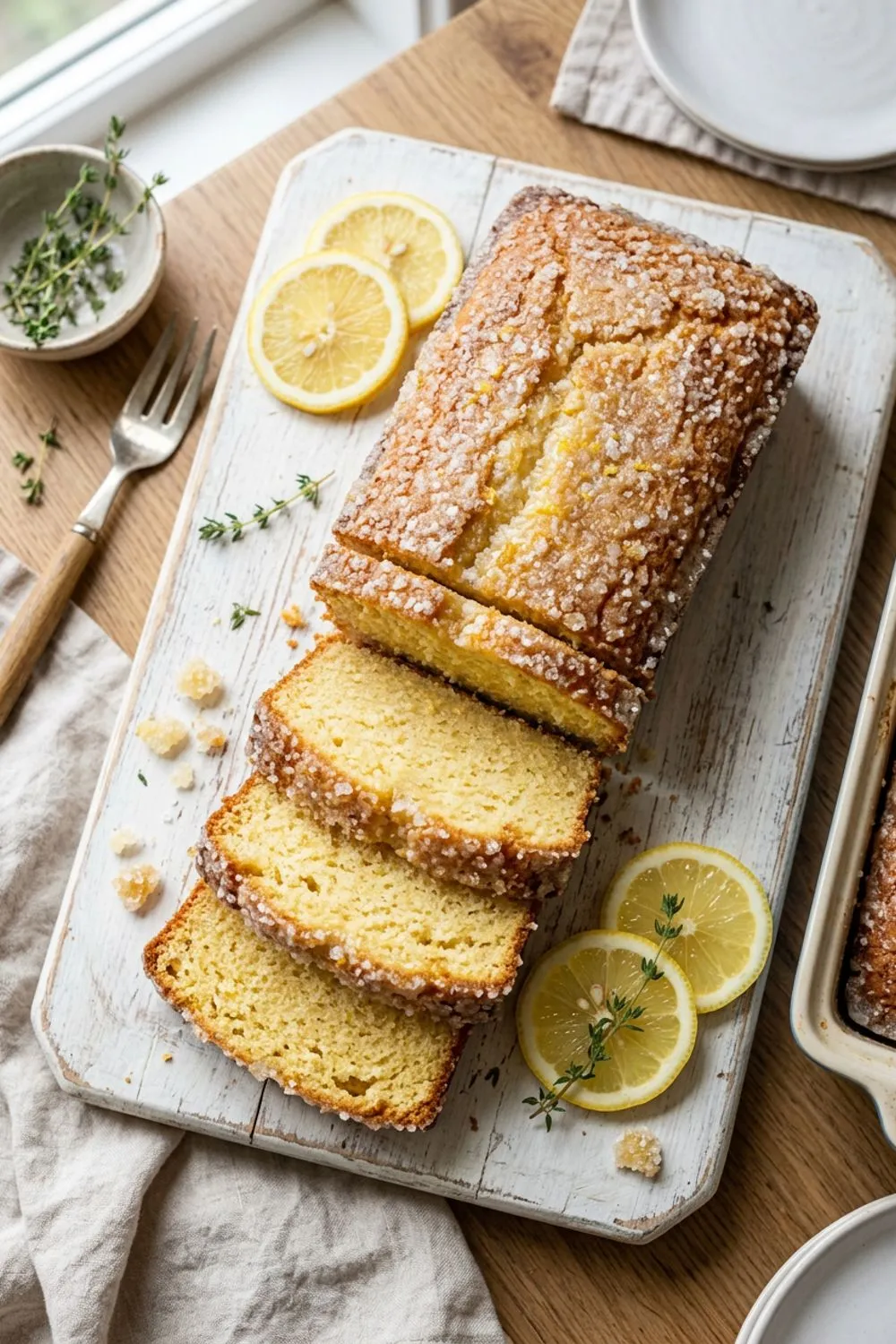
I first encountered lemon drizzle cake during a trip to England years ago. I was wandering through a farmers market in Bath and stopped at a stall where a woman was selling baked goods from her kitchen. The cake she handed me was modest-looking — a golden loaf with a slightly crunchy, sparkly top. But the moment I took a bite, I was completely captivated. The crumb was impossibly moist and buttery, saturated with lemon flavor, and the sugar on top had crystallized into a delicate crust that crackled under my teeth. I knew immediately that I needed to learn how to make this.
What makes lemon drizzle cake different from other lemon cakes is the drizzle itself. Unlike a glaze, which sits on top of the cake as a smooth, sweet coating, the drizzle is a mixture of granulated sugar and fresh lemon juice that is spooned over the hot cake and seeps deep into the crumb. The lemon juice soaks in while the sugar stays behind on the surface, creating that signature crunchy, citrusy crust that is the hallmark of a proper lemon drizzle cake.
The Elements That Make This Recipe Shine
Lemon Zest in the Butter
The key to intense lemon flavor throughout the cake — not just on top — is rubbing the lemon zest directly into the butter and sugar during the creaming step. The abrasion of the sugar crystals breaks open the tiny oil glands in the zest, releasing aromatic lemon oils that get distributed evenly through the batter. This technique, borrowed from classic French baking, means every single crumb of the cake carries lemon flavor.
Use a Microplane or the finest holes on your box grater, and be careful to zest only the yellow outer layer. The white pith underneath is bitter and will spoil the clean, bright flavor you are going for.
The Right Amount of Lemon Juice
There is lemon juice in both the cake batter and the drizzle, but it serves different purposes in each. In the batter, a small amount (just 2 tablespoons) adds subtle acidity that enhances the butter flavor and tenderizes the crumb without making the cake taste tart. In the drizzle, a more generous amount provides the assertive lemon punch that defines this cake.
Butter Makes the Cake
This is a butter cake through and through, and the quality of your butter matters. Use the best unsalted butter you can find — European-style butter with a higher fat content (like Plugra or Kerrygold) produces an exceptionally rich, tender crumb. The butter should be genuinely soft before you start creaming, yielding easily when you press it with your finger.
Perfecting the Technique
The Creaming Method
As with my pound cake, the creaming step is critical. Beat the butter and sugar (with the lemon zest) for a full 4-5 minutes until the mixture is very pale — almost white — and noticeably fluffy. This incorporates air that will give the cake its lift and tender crumb. Do not rush this step. An undercreamed batter produces a dense, flat cake.
Preventing a Curdled Batter
When you add eggs to a creamed butter-sugar mixture, there is always a risk of curdling — the mixture separates into a grainy, uneven mess. This happens because the cold egg liquid overwhelms the fat’s ability to hold the emulsion together. To prevent it, make sure your eggs are at room temperature and add them one at a time. If the batter starts to look lumpy after an egg addition, throw in a tablespoon of flour from your measured amount and beat briefly. The flour absorbs excess moisture and brings the emulsion back together.
Poking the Holes
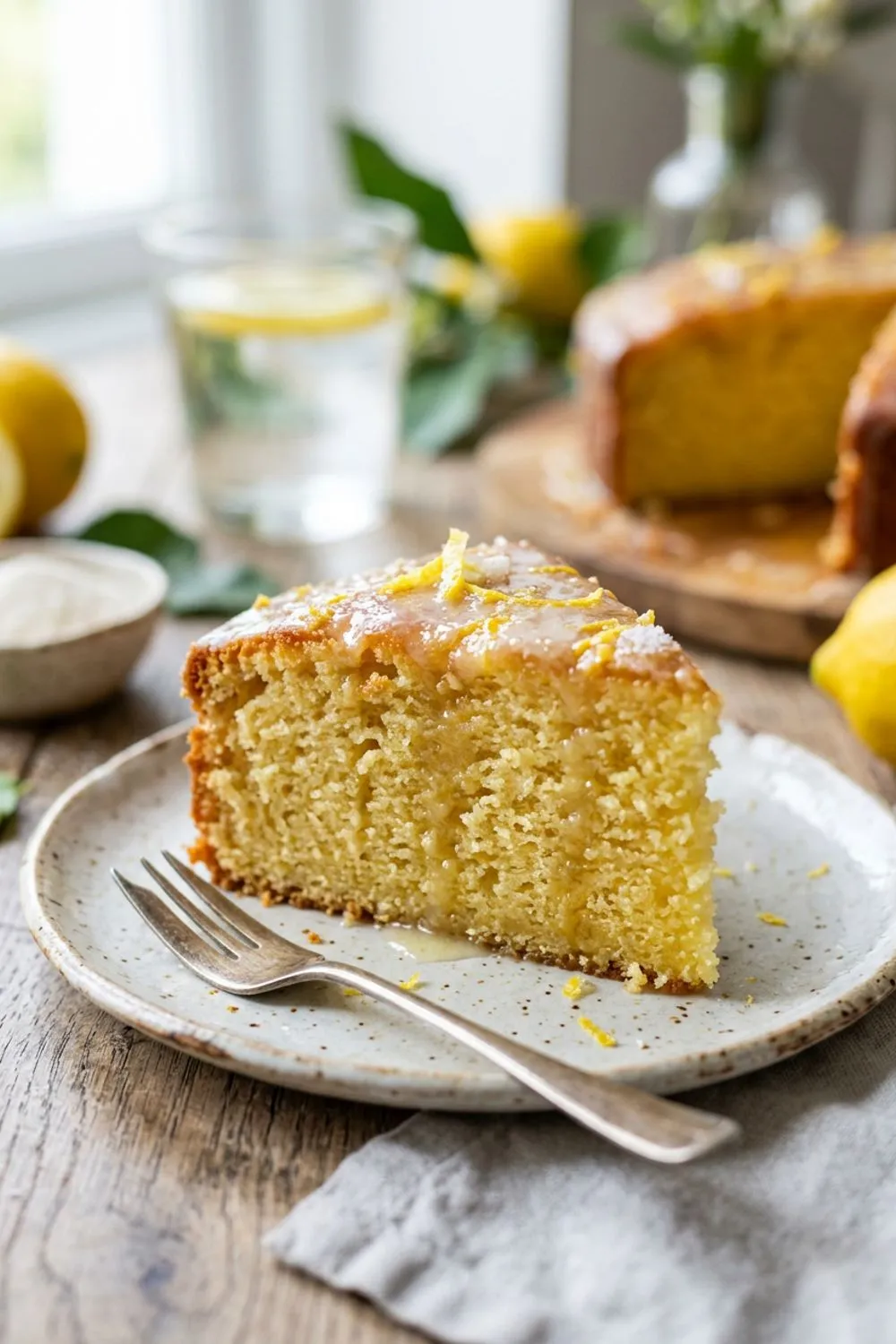
This is the fun part, and it is genuinely important. As soon as the cake comes out of the oven, use a thin skewer, chopstick, or fork to poke holes all over the surface. I aim for about 20-25 holes, evenly spaced. These channels allow the lemon-sugar drizzle to penetrate deep into the cake rather than just sitting on top. Poke all the way down to the bottom of the cake for the most even distribution.
Applying the Drizzle
Stir the granulated sugar and lemon juice together, but do not worry about dissolving the sugar — you want it slightly gritty. Spoon the mixture slowly over the hot cake, a tablespoon at a time, letting each addition absorb before adding the next. The heat of the cake melts some of the sugar into the crumb while the rest stays on the surface and crystallizes as the cake cools. This dual texture — soft, moist cake and crunchy, tangy crust — is what makes lemon drizzle cake so special.
Variations for Lemon Lovers
Lemon poppy seed: Add 2 tablespoons of poppy seeds to the batter along with the flour. They add a subtle nuttiness and beautiful visual speckles throughout the cake.
Lemon blueberry: Toss 1 cup of fresh blueberries with a tablespoon of flour and fold them gently into the finished batter. They burst during baking and create gorgeous purple streaks against the golden crumb.
Lavender lemon: Infuse the milk with 1 tablespoon of dried culinary lavender by heating them together gently, then straining and cooling before use. The floral notes pair exquisitely with the lemon.
Orange drizzle cake: Replace the lemon zest and juice with orange zest and fresh orange juice for a warmer, less tart variation. Blood oranges make this especially striking.
Double drizzle: After the traditional sugar drizzle has set, add a second drizzle of powdered sugar mixed with lemon juice for a sweeter, glossier finish. This is less traditional but very pretty.
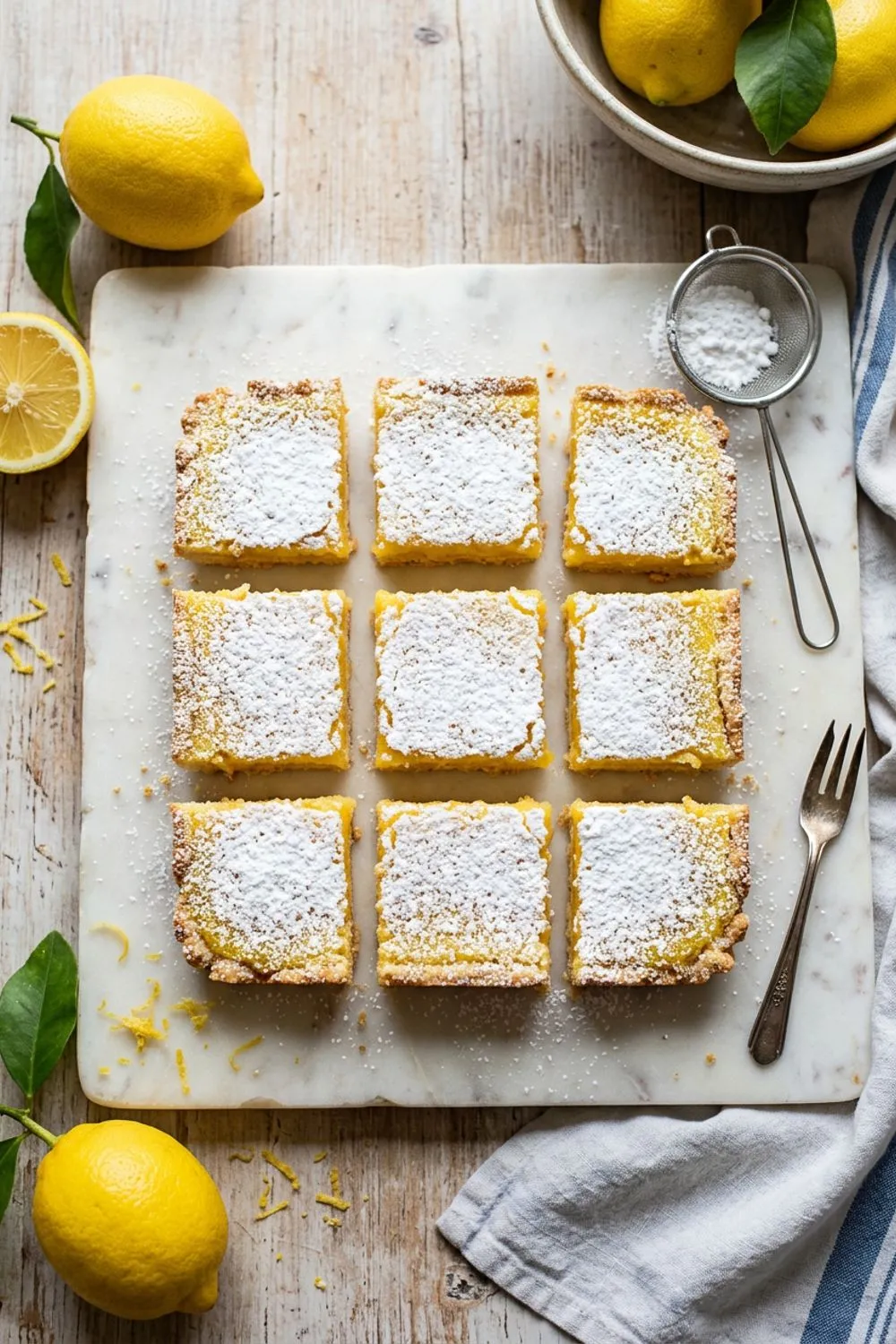
For more lemon desserts, do not miss my lemon bars — they take the lemon-sugar combination in a completely different but equally delicious direction.
Serving This Cake
Afternoon tea style: Slice the cake into thick pieces and serve on a plate alongside a pot of tea. This is the traditional way, and honestly, it needs nothing more. The cake is perfectly complete on its own.
With cream: A dollop of clotted cream or creme fraiche alongside a slice is pure luxury. The cream’s richness mellows the lemon’s intensity and creates a beautiful contrast.
With berries: Fresh raspberries or blueberries scattered alongside a slice add color and a complementary fruit note. A small bowl of mixed berries turns a simple slice of cake into an impressive dessert plate.
Warmed: Gently warming a slice in the microwave for 10-15 seconds makes the crumb even more tender and releases a fresh burst of lemon aroma. It is like pulling it from the oven all over again.
How to Store Lemon Drizzle Cake
The sugar drizzle acts as a preservative of sorts, keeping the cake moist and fresh for longer than you might expect.
Room temperature: Wrap tightly in plastic wrap or store in an airtight container for up to 5 days. The drizzle keeps the cake incredibly moist throughout, and many people (myself included) think it tastes even better on the second and third day as the flavors continue to develop.
Refrigerator: Not necessary under normal conditions. Refrigeration can dry out the crumb and dull the lemon flavor. Only refrigerate if your kitchen is very warm.
Freezer: Wrap the uncut loaf tightly in plastic wrap, then foil, and freeze for up to 3 months. Thaw at room temperature still wrapped — the condensation that forms during thawing will be absorbed back into the cake rather than pooling on the surface. You can also freeze individual slices wrapped in plastic wrap and stored in a freezer bag for easy grab-and-go portions. Pop a frozen slice in the microwave for 20-25 seconds for a quick treat that tastes freshly baked.
Troubleshooting Common Issues
Cake is dry: Either overbaked or not enough drizzle. Next time, check 5 minutes before the minimum bake time and make sure to use the full amount of drizzle, spooning it on slowly so it absorbs rather than running off the sides.
Not enough lemon flavor: Use more zest. Three large lemons should give you about 3 tablespoons of zest, and that is the minimum for a properly lemony cake. Also, make sure you are rubbing the zest into the sugar and butter, not just stirring it in.
Drizzle pooled on top instead of soaking in: You either did not poke enough holes or the cake had cooled too much before you applied the drizzle. The cake needs to be hot for the drizzle to absorb properly.
Cake sank in the middle: Likely caused by opening the oven door too early or undermixing the batter. Keep the oven closed for the first 30 minutes of baking and make sure all ingredients are properly incorporated.
Making This Cake Your Own
One of the things I love about lemon drizzle cake is how adaptable it is. The base recipe is rock-solid, but there is plenty of room to put your own stamp on it.
Herb-infused: Fresh rosemary and lemon are a magnificent pairing. Finely mince 1 teaspoon of fresh rosemary leaves and add them to the batter along with the lemon zest. The herbal note adds unexpected sophistication without overpowering the lemon.
Lemon and thyme: Similarly, fresh thyme leaves (about 1 teaspoon, stripped from their stems) add a lovely earthy quality. This is a more subtle variation than the rosemary, but equally elegant.
Glazed instead of drizzled: For a completely different presentation, skip the traditional granulated sugar drizzle and instead make a smooth glaze from powdered sugar and lemon juice. Pour it over the cooled cake for a glossy, bakery-style finish. It is less traditional but very pretty.
Mini loaves: Divide the batter among 4 mini loaf pans (about 5.75 x 3 inches each) and reduce the baking time to 25-30 minutes. Mini loaves make charming gifts, especially when wrapped in parchment paper and tied with kitchen twine.
Bundt pan version: Pour the batter into a greased and floured 10-cup bundt pan and bake for 40-45 minutes. The bundt shape looks stunning, though you will need to be more careful with the drizzle application to get it into all the ridges and grooves.
The Cultural Context of Lemon Drizzle
Lemon drizzle cake has been a fixture of British baking culture for decades, though its exact origins are debated. What is not debated is its status as one of the most beloved cakes in the United Kingdom. It regularly tops polls of Britain’s favorite cakes, beating out chocolate cake, Victoria sponge, and carrot cake. In 2019, it was voted the nation’s most popular cake in a survey of over 2,000 people, and that result surprised absolutely nobody who has ever tasted a proper version.
The cake’s enduring popularity speaks to something fundamental about what people want from a baked good — it is honest, it is flavorful, and it delivers exactly what it promises. There are no tricks, no gimmicks, just butter, sugar, eggs, flour, and lemons, combined with care and technique into something greater than the sum of its parts.
A Cake That Brightens Every Occasion
There is something about lemon drizzle cake that feels inherently optimistic. Maybe it is the color — that warm, golden crumb lit up with sunshine-yellow zest. Maybe it is the flavor — bright, tangy, and refreshing without being the least bit heavy. Or maybe it is the simplicity of it, the way such ordinary ingredients can combine into something that genuinely delights everyone who tries it.
I keep a mental list of recipes that I would choose if I could only bake ten things for the rest of my life. Lemon drizzle cake is on that list without question. It is the recipe I reach for when I need something that works for absolutely any occasion — a summer afternoon tea, a winter weekend treat, a welcome gift for new neighbors, or a contribution to a school bake sale. It never feels out of place, and it always, always earns compliments.
This cake has become my signature bake — the one people associate with me, the one they request for gatherings, the one that has converted self-proclaimed non-lemon-lovers into enthusiasts. It travels well, it feeds a crowd, it keeps for days, and it never fails to brighten whatever occasion it is served at.
If you enjoy baking with citrus, I highly recommend my lemon tart for something a bit more refined, or my classic pound cake as another beautifully simple loaf that celebrates butter and sugar in their purest form.
Never Miss a Sweet Recipe
Join 5,000+ home bakers and get new recipes straight to your inbox.
Ingredients
Lemon Cake
Lemon Drizzle
Instructions
- 1
Prepare the Pan
Preheat your oven to 350°F (175°C). Grease a 9x5-inch loaf pan and line it with parchment paper, leaving overhang on the long sides for easy removal.
- 2
Cream the Butter and Sugar
In a large mixing bowl, beat the softened butter, sugar, and lemon zest on medium-high speed for 4-5 minutes until very pale and fluffy. The lemon zest releases its oils into the butter, infusing the entire cake with citrus flavor.
- 3
Add the Eggs
Add the eggs one at a time, beating well after each addition. If the mixture looks slightly curdled after adding the eggs, add a tablespoon of the measured flour and beat briefly — it will smooth right out.
- 4
Fold in the Dry Ingredients
Whisk together the flour, baking powder, and salt. Fold this into the batter in two additions, alternating with the milk and lemon juice, mixing on low speed or by hand until just combined. Do not overmix.
- 5
Bake the Cake
Pour the batter into the prepared pan and smooth the top. Bake for 40-45 minutes, until the cake is golden on top and a toothpick inserted in the center comes out clean. The cake should spring back when lightly pressed.
- 6
Apply the Drizzle
While the cake bakes, stir together the granulated sugar and lemon juice for the drizzle — do not try to dissolve the sugar completely. As soon as the cake comes out of the oven, poke about 20-25 holes all over the top with a skewer or fork. Spoon the lemon-sugar mixture slowly over the hot cake, letting it seep into the holes. Let the cake cool completely in the pan.
Nutrition Information
Per serving (serves 10). Values are approximate.
| Calories | 290 calories |
| Total Fat | 14g |
| Saturated Fat | 9g |
| Carbohydrates | 38g |
| Sugar | 24g |
| Protein | 4g |
| Sodium | 150mg |
| Fiber | 0.5g |
* Percent Daily Values are based on a 2,000 calorie diet. Your daily values may be higher or lower depending on your calorie needs. Nutritional information is an estimate and may vary.
Frequently Asked Questions
Why do you use granulated sugar in the drizzle instead of powdered sugar?
Granulated sugar does not fully dissolve, which creates the signature crunchy, crystallized topping that makes lemon drizzle cake so special. Powdered sugar would create a smooth glaze instead — nice, but not the classic version.
How many lemons do I need?
You will need about 5 large lemons total — 3 for zesting (plus a bit of juice from them) and 2 more for the drizzle. Always buy one extra as insurance.
Can I make this in a round pan?
Yes. An 8-inch round cake pan works well. Reduce the baking time by about 5 minutes and check for doneness with a toothpick.
Can I make this dairy-free?
You can substitute the butter with a good quality dairy-free baking block and use oat milk instead of whole milk. The result will be slightly different in flavor but still delicious.

Reader Reviews
Based on 168 reviews