Cakes & Cupcakes
Classic Pound Cake
The Beauty of Simplicity
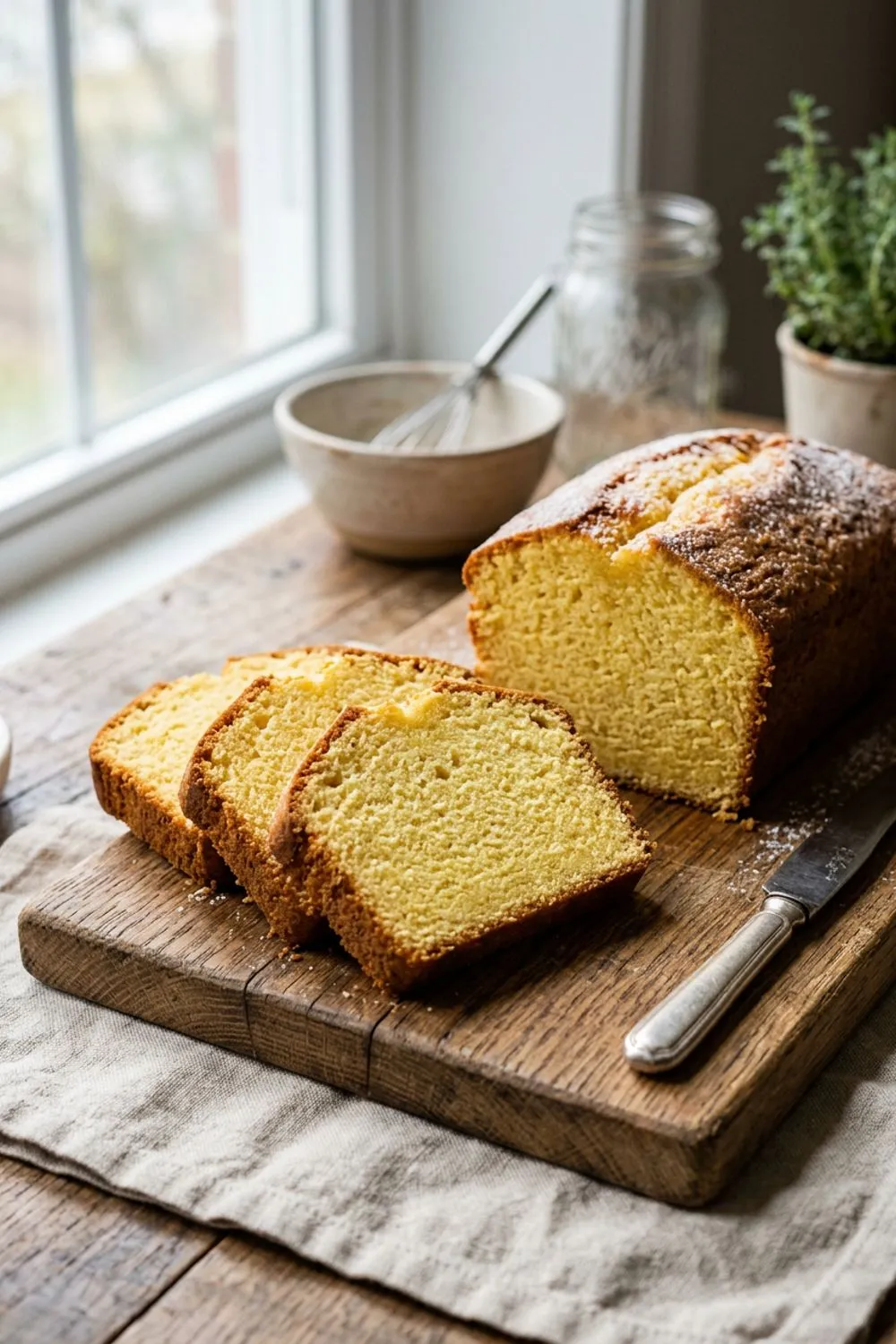
There is something profoundly satisfying about a recipe that relies on nothing more than basic pantry ingredients to create something extraordinary. Pound cake is exactly that kind of recipe. No fancy techniques, no specialty ingredients, no elaborate decorations — just butter, sugar, eggs, flour, and a little patience. The result is a cake of remarkable elegance: golden-crusted, dense but tender, rich with butter flavor, and versatile enough to serve on its own or as the foundation for a hundred different desserts.
The original pound cake got its name from its proportions — a pound each of butter, sugar, eggs, and flour. It was a recipe designed to be remembered in an era before cookbooks were common, and its simplicity was its genius. My version stays true to that spirit while making a few modern adjustments. The sour cream adds a subtle tanginess and incredible moisture. A touch of baking powder provides the lightest lift without compromising that dense, velvety crumb. And a lower oven temperature ensures the cake bakes evenly from edge to center.
I bake this pound cake more than any other recipe in my collection. It is the cake I bring to neighbors when they move in, the cake I serve at Sunday dinners, and the cake I reach for when I want something sweet but not fussy. It is also the cake that taught me more about baking technique than any other — because with so few ingredients, every detail matters. There is nowhere to hide mistakes in pound cake. The creaming, the eggs, the flour folding, the oven temperature — each step must be done with intention. But that is also what makes it so rewarding. When you pull a perfect pound cake from the oven, you know that your technique was sound from start to finish.
Why This Recipe Works So Well
The Creaming Method Is Everything
If there is one step in this recipe that you cannot afford to shortcut, it is the creaming. Beating the butter and sugar together for a full five minutes does something magical — it incorporates millions of tiny air bubbles into the butter, which expand during baking and give the cake its lift and structure. Since pound cake has very little leavening agent, these air bubbles are doing most of the heavy work.
You will know the creaming is done when the mixture is very pale yellow (almost white) and has increased noticeably in volume. If it still looks yellow and dense, keep going. An extra minute of creaming has never ruined a pound cake, but undercreaming absolutely has.
Room Temperature Matters More Here Than Anywhere
I say this in almost every recipe, but it is especially critical for pound cake. Cold eggs will cause the creamed butter to seize up and curdle, creating a lumpy batter that bakes into a heavy, uneven cake. Cold sour cream does the same thing. Everything — butter, eggs, sour cream — needs to be at genuine room temperature, which means setting them out for at least an hour before you start.
If you forget, place the eggs in a bowl of warm (not hot) water for 10 minutes. For the butter, cut it into small pieces and let it sit — it will soften faster with more surface area exposed.
Low and Slow Baking
Pound cake bakes at 325°F, which is lower than most cakes. This is intentional. The lower temperature allows the center of this dense cake to cook through before the exterior overbrowns. Rushing it at a higher temperature will give you a dark, crusty outside and a raw, gummy inside. Trust the process, set your timer, and walk away.
Sour Cream Is the Modern Secret
Traditional pound cake can be a bit dry and crumbly. Adding sour cream was the single change that elevated this recipe from good to outstanding. It introduces moisture, tenderness, and a very subtle tang that prevents the cake from tasting one-dimensionally sweet. The fat in the sour cream also makes the crumb silkier and more cohesive.
Tips for a Perfect Pound Cake Every Time
Measuring Flour Correctly
Too much flour is the number one reason pound cakes turn out dry and dense in a bad way. If you do not have a kitchen scale (though I strongly recommend getting one), use the spoon-and-level method: fluff the flour with a fork, spoon it gently into your measuring cup, and level the top with the back of a knife. Never scoop directly from the bag — it compacts the flour and you can end up with 20-30% more than the recipe intends.
Adding Eggs One at a Time
Adding all the eggs at once overwhelms the emulsion and often causes the batter to curdle. Adding them one at a time gives the batter time to absorb each egg fully, maintaining that smooth, creamy consistency that translates to a fine, even crumb in the finished cake.
The Alternating Method
When you add the flour and sour cream, alternating between them in batches prevents the batter from becoming too thick or too thin at any point. Start and end with flour — this creates a coating of flour around the fat, which strengthens the batter’s structure and produces a more even rise.
Greasing the Pan Thoroughly
Pound cake has a tendency to stick, especially in bundt pans with intricate designs. I use a pastry brush to get butter into every corner and crevice, then dust with flour, tapping out the excess. Some bakers swear by a cocoa powder dusting instead of flour — it adds a subtle chocolate flavor and an attractive dark finish. Either method works, but thoroughness is the key.
Serving Suggestions
The beauty of pound cake is its versatility. Here are my favorite ways to serve it:
Simply sliced: A thick slice of pound cake on its own is a perfectly complete dessert. The buttery flavor and dense crumb need nothing else. This is my go-to when I want something sweet after dinner without any fuss.
Toasted: Slice the pound cake about 3/4-inch thick and toast it in a dry skillet or under the broiler until golden on each side. Toasting caramelizes the sugar on the surface and creates a warm, crispy exterior that contrasts beautifully with the soft interior. Serve with a drizzle of honey or a scoop of ice cream.
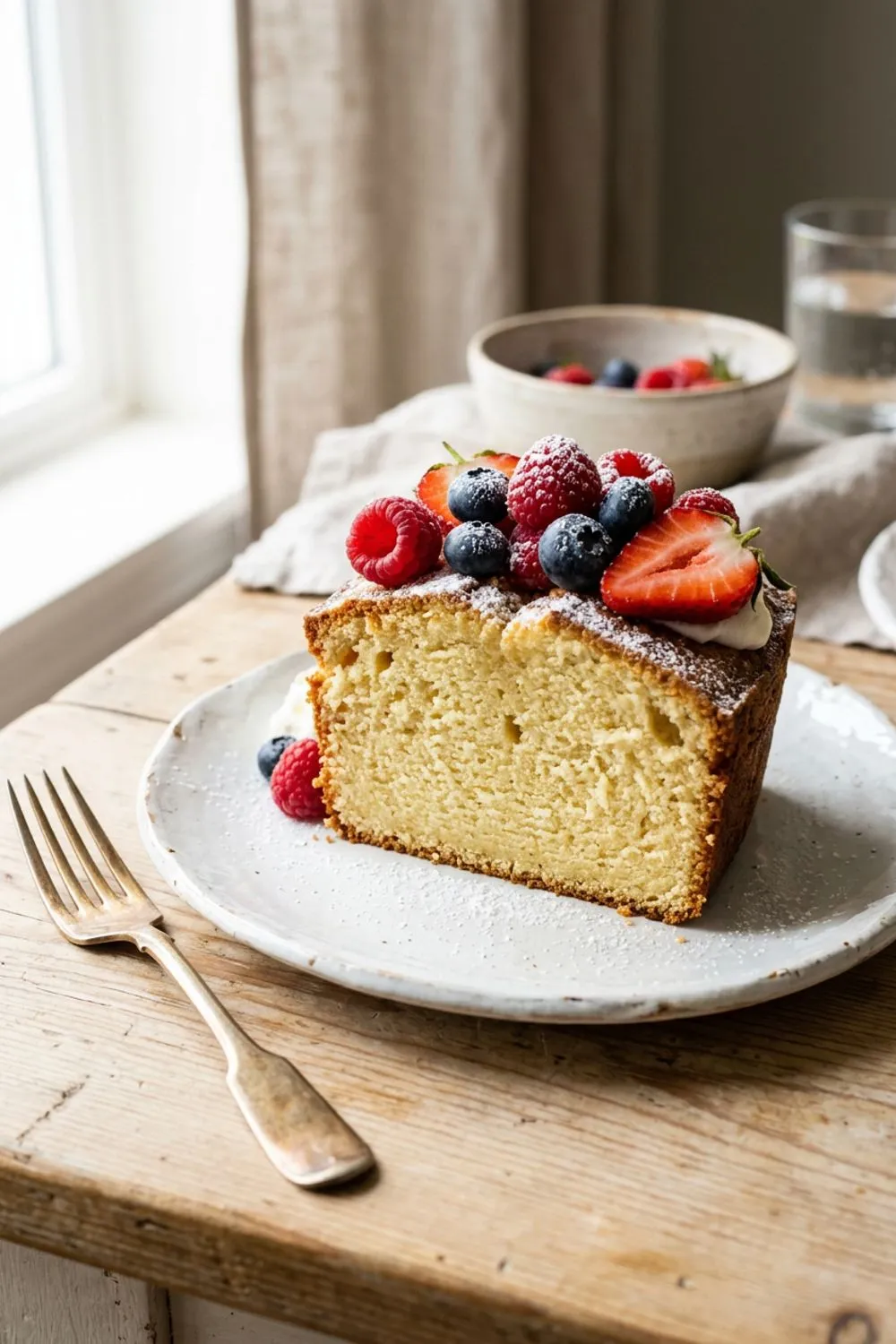
With fresh berries and cream: Arrange sliced strawberries, blueberries, or raspberries over a slice and top with a dollop of freshly whipped cream. This is the kind of elegant, effortless dessert that makes people think you spent hours in the kitchen.
As a base for trifle: Cube leftover pound cake and layer it with pudding, fruit, and whipped cream in a glass bowl. It soaks up the pudding beautifully and creates one of the easiest, most impressive desserts you can serve to a crowd.
With a glaze: Drizzle with a simple glaze of powdered sugar and cream for a more polished presentation. You can also glaze with chocolate ganache for a special occasion — the rich chocolate against the buttery cake is a combination that feels truly luxurious.
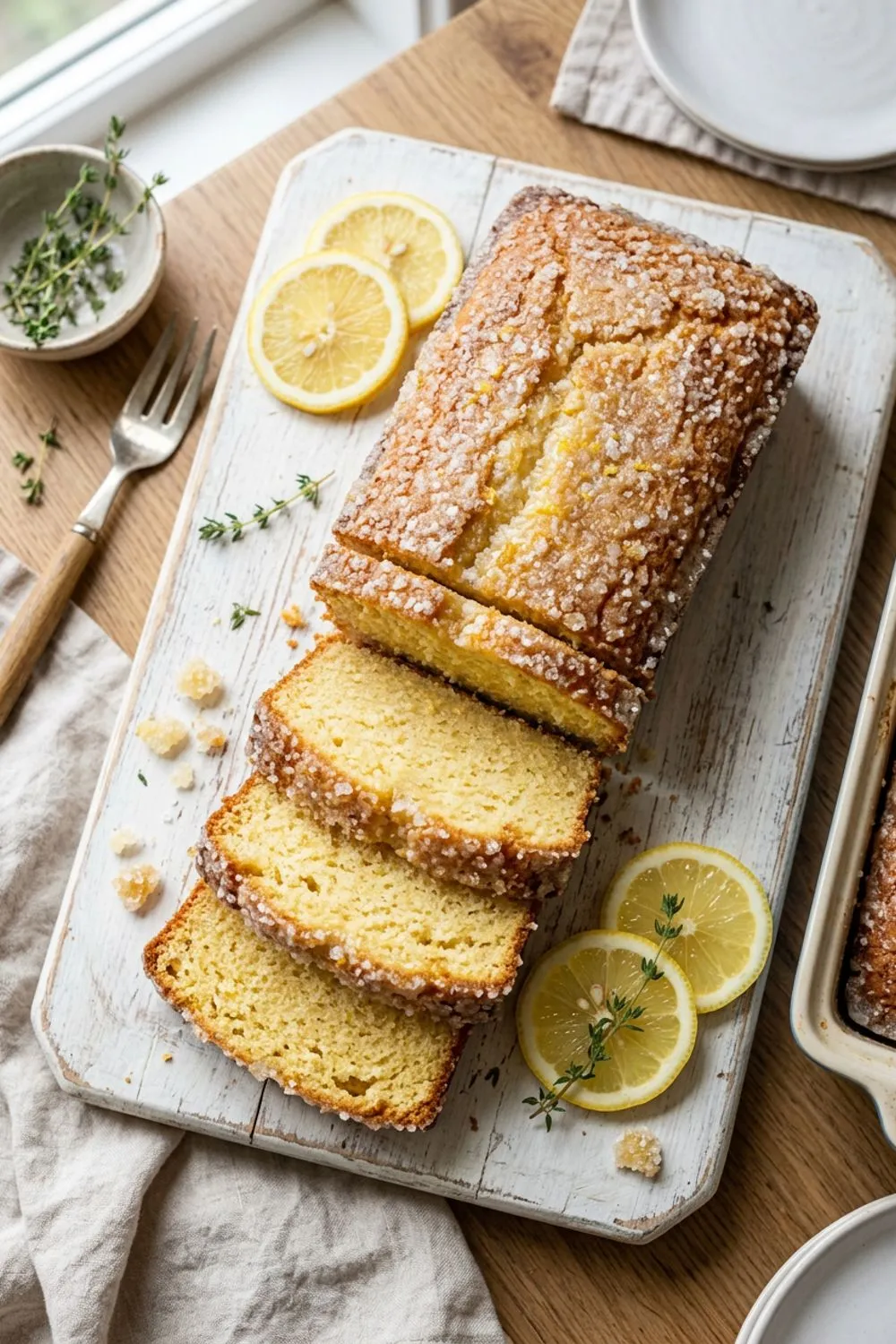
If you enjoy simple, elegant cakes, my lemon drizzle cake is a wonderful companion to this recipe — it takes the same minimalist approach but adds a bright citrus twist.
Variations on the Classic
Lemon pound cake: Add the zest of 2 large lemons to the batter and substitute lemon extract for the vanilla. Drizzle with a simple glaze of powdered sugar and fresh lemon juice.
Almond pound cake: Replace the vanilla extract with 1 1/2 teaspoons of almond extract and fold in 1/2 cup of sliced almonds. Top with a sprinkle of turbinado sugar before baking for a crunchy crust.
Marble pound cake: Set aside one-third of the batter and fold in 1/4 cup of unsweetened cocoa powder mixed with 2 tablespoons of hot water. Alternate dollops of vanilla and chocolate batter in the pan and swirl gently with a knife.
Brown butter pound cake: Brown the butter before creaming it — cook it over medium heat until the milk solids turn golden and it smells nutty, then chill until it returns to a soft, solid state. The browned butter adds a toasty, almost caramel-like depth that is absolutely stunning.
Storage and Keeping Quality
Pound cake is one of the best keepers in the baking world. Its high butter and sugar content acts as a natural preservative, keeping it moist and fresh for days.
Room temperature: Wrap tightly in plastic wrap or store in an airtight container for up to 5 days. The flavor actually develops and improves over the first day or two.
Refrigerator: Not necessary unless your kitchen is very warm. If you do refrigerate, bring the cake to room temperature before serving — cold pound cake loses much of its buttery richness.
Freezer: This cake freezes exceptionally well. Wrap the whole cake or individual slices tightly in plastic wrap, then foil, and freeze for up to 3 months. Thaw at room temperature for several hours or overnight in the refrigerator.
Troubleshooting Common Problems
Dense and heavy crumb: You likely did not cream the butter and sugar long enough, or your leavening was old. Invest in that full five minutes of creaming and check the expiration date on your baking powder.
Dry texture: Too much flour or overbaking. Measure carefully and start checking five minutes before the minimum bake time.
Crack on top: This is normal for pound cake and is actually considered desirable — it means the cake rose properly and the top set while the interior was still expanding. Embrace it.
Cake fell after baking: The oven was likely opened during baking, or the batter was undermixed. Pound cake is sensitive to temperature fluctuations during the first 40 minutes of baking.
Uneven browning: Your oven may have hot spots, which is extremely common. Rotate the pan 180 degrees at the halfway mark (but no earlier — the structure needs time to set first). If the top browns too quickly, tent loosely with foil.
Butter separated or curdled: The eggs were too cold. Always use room-temperature eggs, and add them one at a time, beating well after each addition. If the batter starts to look curdled, add a tablespoon of flour from your measured amount and beat briefly — it should come back together.
The History and Heritage of Pound Cake
Pound cake is one of the oldest cake recipes in the Western baking tradition. It first appeared in English cookbooks in the early 1700s, and its original recipe could not have been simpler: one pound of butter, one pound of sugar, one pound of eggs, and one pound of flour. No leavening, no flavoring, just the four core ingredients in equal proportions. The name was the recipe — a brilliant bit of culinary engineering designed for an era when many cooks were illiterate and needed recipes they could remember by heart.
Over the centuries, bakers began to experiment. Vanilla was added for flavor, then leavening agents for a lighter crumb, then sour cream or cream cheese for moisture and tang. My recipe is firmly in the modern tradition — it respects the spirit of the original while incorporating the small improvements that make the cake more reliably excellent.
What has not changed is the cake’s essential character: dense, buttery, and satisfying in a way that no other cake quite matches. Pound cake does not try to be light or airy. It does not hide behind frosting or decorations. It simply is what it is — a celebration of butter, sugar, eggs, and flour in their most harmonious form. That honest simplicity is what has kept it relevant for more than three hundred years, and what will keep people baking it for centuries to come.
A Cake That Stands the Test of Time
Pound cake has been a staple of home baking for centuries, and for good reason. It asks for nothing exotic, it forgives reasonable mistakes, and it produces a result that is timeless and universally loved. This recipe is my love letter to that tradition — respectful of the classic proportions and techniques, with just enough modern touches to make it reliably excellent.
I have given this cake as a gift more times than I can count — wrapped in parchment paper and tied with a simple ribbon, it makes one of the most appreciated presents a home baker can offer. People are genuinely touched when you show up with a homemade pound cake, because it communicates something that a store-bought dessert simply cannot. It says you took the time, you cared enough to bake, and you chose to share something made with your own hands.
Whether you are an experienced baker looking for a go-to pound cake recipe or a beginner looking for something satisfying and achievable, this is the cake for you. It has earned a permanent place in my recipe collection, and I have a feeling it will earn one in yours too.
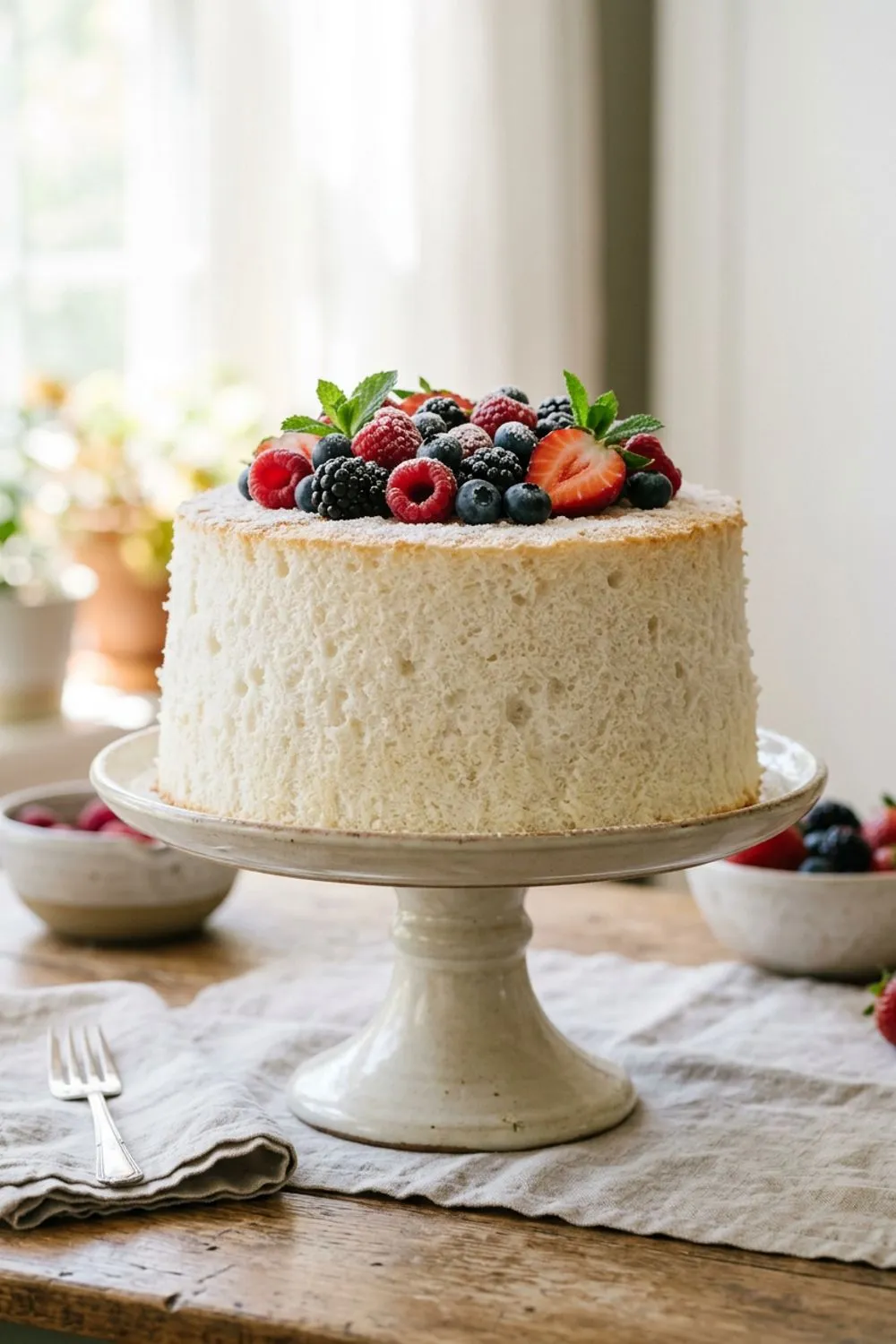
For something lighter that still celebrates simplicity, take a look at my angel food cake — it is pound cake’s ethereal opposite, and equally delightful.
Never Miss a Sweet Recipe
Join 5,000+ home bakers and get new recipes straight to your inbox.
Ingredients
Instructions
- 1
Prepare Your Pan
Preheat your oven to 325°F (165°C). Generously grease a 10-inch bundt pan or a 9x5-inch loaf pan with butter and dust with flour, tapping out the excess. For extra insurance, you can also spray with baking spray that contains flour.
- 2
Cream the Butter and Sugar
In a large bowl using a stand mixer or hand mixer, beat the softened butter and sugar on medium-high speed for a full 5 minutes until very pale, fluffy, and nearly doubled in volume. This step is critical — do not rush it.
- 3
Add the Eggs
Add the eggs one at a time, beating on medium speed for about 30 seconds after each addition. Scrape down the sides of the bowl as needed. Mix in the vanilla extract.
- 4
Alternate Dry and Wet Ingredients
In a separate bowl, whisk together the flour, baking powder, and salt. Add one-third of the flour mixture to the batter and mix on low until just incorporated. Add half the sour cream and mix briefly. Repeat, ending with the final third of the flour. Mix until just combined.
- 5
Bake Low and Slow
Pour the batter into the prepared pan and smooth the top. Bake for 55-65 minutes (bundt) or 60-70 minutes (loaf), until a toothpick inserted in the center comes out clean. The top should be golden brown and the cake should spring back when gently pressed.
- 6
Cool Completely
Let the cake cool in the pan for 15 minutes, then invert onto a wire rack to cool completely. If using a bundt pan, give the pan a gentle tap on the counter if the cake does not release easily. Cool for at least 1 hour before slicing.
Nutrition Information
Per serving (serves 12). Values are approximate.
| Calories | 320 calories |
| Total Fat | 17g |
| Saturated Fat | 10g |
| Carbohydrates | 38g |
| Sugar | 24g |
| Protein | 5g |
| Sodium | 180mg |
| Fiber | 0.5g |
* Percent Daily Values are based on a 2,000 calorie diet. Your daily values may be higher or lower depending on your calorie needs. Nutritional information is an estimate and may vary.
Frequently Asked Questions
Why is my pound cake dry?
The most common causes are overbaking and too much flour. Use a kitchen scale for precision, and start checking for doneness 5 minutes before the minimum time. Also, make sure your sour cream is measured accurately — it is the key to moisture.
Can I make pound cake without sour cream?
You can substitute an equal amount of plain Greek yogurt, heavy cream, or buttermilk. Each will give slightly different results, but all will produce a moist cake.
Why did my pound cake sink in the middle?
This usually happens if the oven door is opened too early, if the batter was undermixed, or if the oven temperature is too high. Pound cake needs low, steady heat to rise properly.
How long does pound cake last?
Wrapped tightly, pound cake keeps at room temperature for up to 5 days and in the freezer for up to 3 months. It is one of the best keepers in all of baking.

Reader Reviews
Based on 189 reviews