Cookies & Bars
Buttery Shortbread Cookies
The Most Honest Cookie You Will Ever Bake
There is a certain kind of confidence that comes with serving a plate of shortbread cookies. You are not hiding behind layers of frosting or handfuls of mix-ins or drizzles of caramel. You are presenting five ingredients, perfectly executed, and trusting that simplicity itself is enough. And it always is.
Shortbread is the oldest cookie recipe I know, with roots stretching back to medieval Scotland where it was considered a luxury reserved for special occasions — weddings, Christmas, and Hogmanay celebrations. The original recipe was even simpler than this one. Just butter, sugar, and flour. Three ingredients, mixed together, baked until pale, and eaten with tea. That was enough for Scottish bakers for centuries, and honestly, it is still enough today.
My version adds vanilla extract and a pinch of salt, because I believe even the most traditional recipes benefit from a little modern refinement. The vanilla adds warmth and depth without masking the butter, and the salt sharpens every flavor in the cookie so that each bite tastes more intentional. But at its heart, this is still a recipe about butter. Beautiful, high-quality, golden butter — and knowing how to treat it right.
Butter Is Everything
I cannot overstate this — the quality of your butter is the single most important factor in this recipe. In a chocolate chip cookie, you have brown sugar, vanilla, and chocolate all competing for attention. In shortbread, butter is the undisputed star, and everything else is a supporting player.
Use the best unsalted butter you can find. European-style butters like Kerrygold, Plugra, or Vital Farms have a higher butterfat content — typically around 82-85% compared to the standard American 80%. That extra few percent of fat translates directly into a richer, more tender, more flavorful cookie. You will genuinely taste the difference.
The butter needs to be at proper room temperature, which is around 65-68 degrees Fahrenheit. This is softer than you might think — press your finger into it and it should leave a clear dent without the butter squishing or feeling greasy. If the butter is too cold, it will not cream properly and the dough will be dry and crumbly. If it is too warm or partially melted, the cookies will spread too much in the oven and lose their clean edges.
My trick for getting butter to room temperature quickly: cut it into small cubes and spread them out on a plate. They will warm up evenly in about 20 minutes. Do not use the microwave — it heats unevenly and you will end up with half-melted butter surrounded by cold chunks.
The Powdered Sugar Difference
You will notice this recipe uses powdered sugar rather than granulated. This is a deliberate choice that makes a meaningful difference in the final texture. Powdered sugar — also called confectioners’ sugar — is simply granulated sugar that has been ground to a fine powder with a small amount of cornstarch added.
That fine texture dissolves almost completely into the butter during creaming, which is what gives shortbread its signature melt-in-your-mouth quality. Granulated sugar, with its larger crystals, creates a slightly sandier, grittier texture. Some traditional shortbread recipes actually prefer that, and if you grew up eating Scottish petticoat tails made with caster sugar, you might favor that style. Both are valid.
But for the smoothest, most tender shortbread that practically dissolves the moment it hits your tongue, powdered sugar is the way to go. Just make sure you sift it before measuring if it has any lumps — those lumps will show up as white spots in your finished cookies.
Mixing — Less Is More
Shortbread dough does not want to be overworked. Unlike bread, where you develop gluten on purpose for chewiness and structure, shortbread needs the opposite — as little gluten development as possible. Gluten makes cookies tough and hard instead of tender and crumbly.
Cream the butter and sugar together until light and smooth. This step is about incorporating the sugar into the fat and creating a uniform base. Then add the flour and mix on the absolute lowest speed until it just barely comes together. You will see it transition from a shaggy, floury mess to a cohesive dough, and the moment it holds together when you squeeze it, stop mixing. Every additional second of mixing develops more gluten and takes you further from that perfect, tender snap.
If you do not have an electric mixer, you can make the dough entirely by hand. Use a wooden spoon to beat the butter until creamy, stir in the sugar, then work in the flour with the spoon and your hands. It takes a bit more effort, but the result is identical.
The Importance of Chilling
I know an hour in the refrigerator feels like a long time when you want cookies now. But chilling is what separates mediocre shortbread from exceptional shortbread, and here is why.
When you mix butter and flour together, the butter is soft and pliable. If you bake the dough immediately, the butter melts quickly in the oven before the flour has time to set, and the cookies spread into flat, greasy puddles. Not what you are going for.
Chilling solidifies the butter throughout the dough. When the cold dough hits the hot oven, the butter melts gradually and the flour sets around it, locking in the shape of the cookie. The result is a cookie that holds its edges, maintains its thickness, and bakes evenly from edge to center.
Chilling also relaxes any gluten that may have developed during mixing, which makes the final cookies even more tender. And there is a flavor benefit too — resting the dough allows the flour to fully hydrate, which smooths out any raw flour taste and gives the cookies a more polished, bakery-quality flavor.
Wrap the dough tightly in plastic wrap and refrigerate for at least one hour. If you are short on time, you can pop it in the freezer for 30 minutes instead. The dough can also be refrigerated for up to three days, which makes this a wonderful make-ahead recipe.
Shaping Your Shortbread
One of the beautiful things about shortbread is its versatility in shape. The dough is firm enough when chilled to hold virtually any form, and there are several traditional and modern approaches.
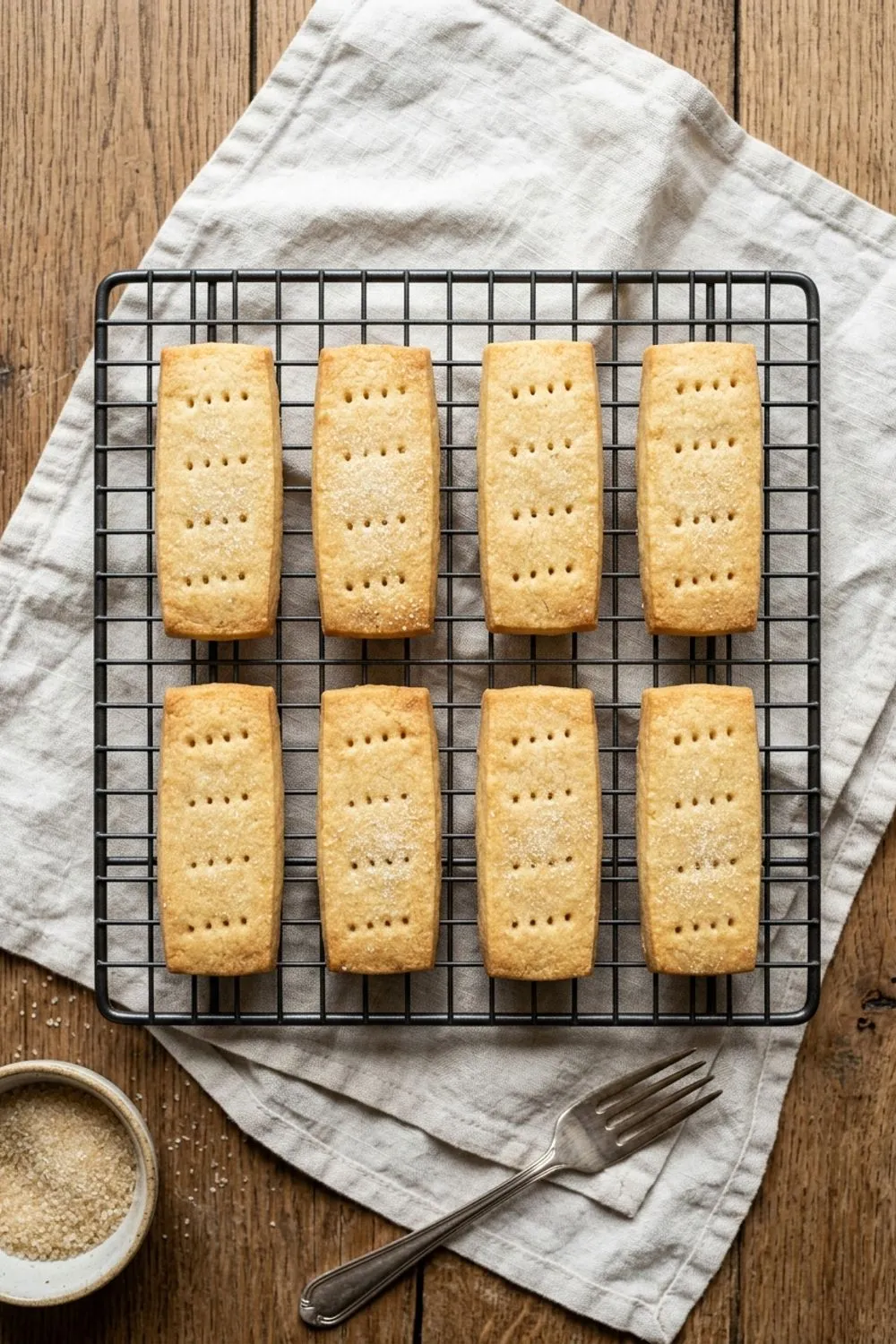
Rounds: Roll the dough to 1/4 inch thickness and cut with a round cookie cutter. This is the most common approach and gives you uniform cookies that bake evenly. Prick each round twice with a fork — this is traditional and also functional, as the holes allow steam to escape and prevent the cookies from puffing up.
Fingers: Cut the rolled dough into rectangles about 1 inch wide and 3 inches long. These are the classic Scottish shortbread fingers you see in tins, and they are perfect for dipping in tea or coffee.
Petticoat tails: Press the dough into a round cake pan or tart pan and score into wedges before baking. Bake as one large round and break into wedges along the scored lines after cooling. This is the most traditional Scottish presentation.
Slice-and-bake: Shape the dough into a log about 2 inches in diameter, wrap tightly, and chill. When ready to bake, simply slice into 1/4 inch rounds with a sharp knife. This is my favorite method for everyday baking because you can keep the log in the fridge or freezer and bake fresh cookies whenever you want them.
Baking Low and Slow
Shortbread bakes at a lower temperature than most cookies — 325 degrees Fahrenheit instead of the more typical 350 or 375. This lower temperature is deliberate and important. High heat causes the butter to brown and the edges to crisp before the center is cooked through. Low heat allows the entire cookie to bake gently and evenly, resulting in a uniform, pale golden color and that distinctive tender-crisp texture.
You are looking for cookies that are set and firm to the touch, with just the faintest hint of golden color around the very edges. The tops should remain pale — almost white. If your cookies are turning golden brown on top, your oven is too hot. An oven thermometer is a worthwhile investment, as many home ovens run 15-25 degrees hotter than the dial indicates.
Rotate the baking sheets halfway through baking to account for hot spots in your oven. Let the cookies rest on the baking sheet for a full five minutes after coming out of the oven — they are very fragile when hot and will break if you try to move them immediately. They firm up as they cool and become perfectly sturdy by the time they reach room temperature.
Dressing Up Your Shortbread
Plain shortbread is perfection on its own, but there are times when you want to dress it up a bit. Here are some of my favorite embellishments that enhance rather than overwhelm the buttery base.
Chocolate dipped: Melt good quality dark or milk chocolate and dip one end of each cooled cookie. Set on parchment paper until the chocolate hardens. For extra elegance, drizzle contrasting white chocolate over the dark, or sprinkle with flaky sea salt.
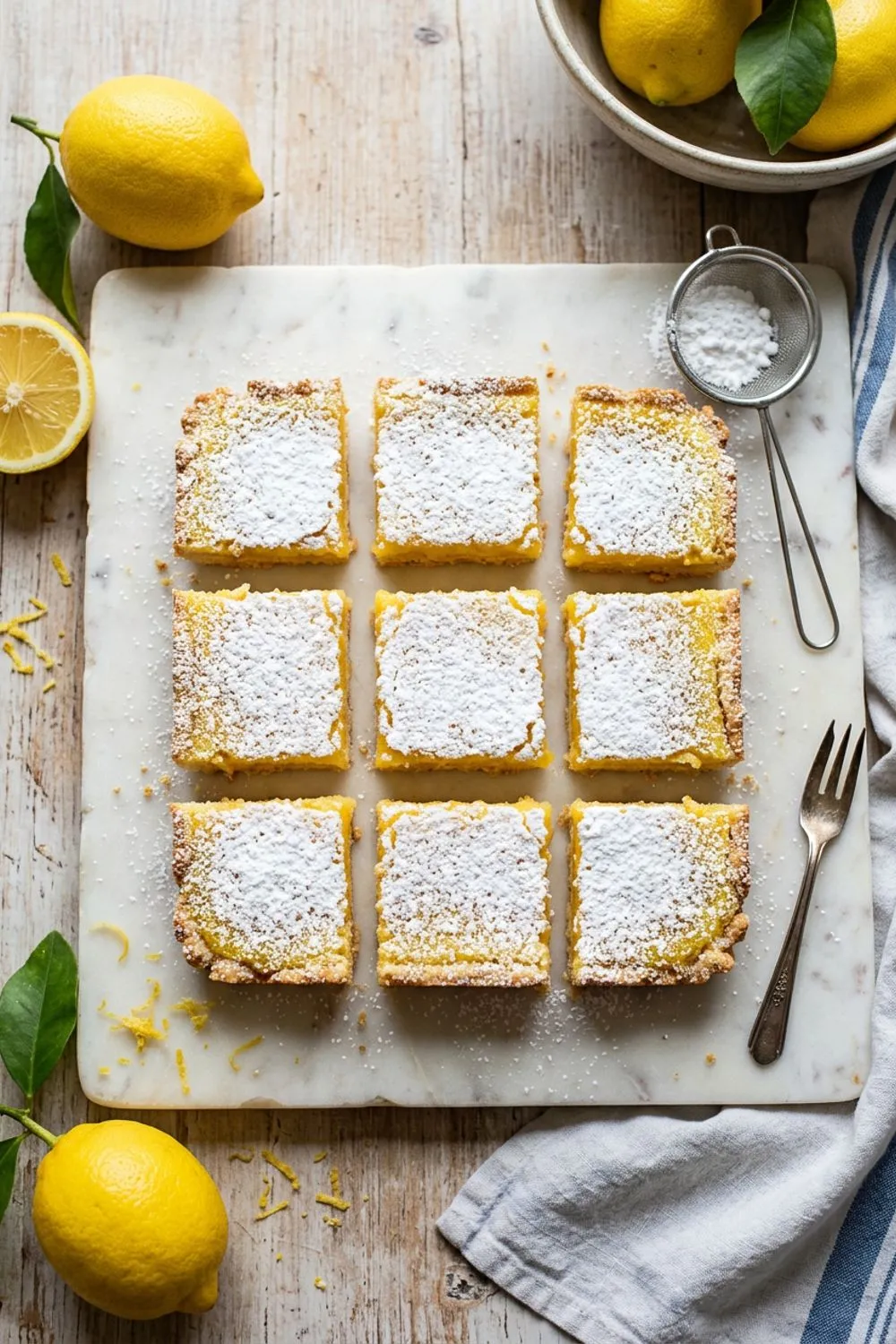
Lemon shortbread: Add 1 tablespoon of finely grated lemon zest to the butter before creaming. The citrus brightens the rich butter flavor beautifully. If you love lemon desserts, try my lemon bars which use a similar shortbread base with a tangy lemon curd filling.
Rosemary shortbread: Finely mince 1 tablespoon fresh rosemary leaves and add them to the dough with the flour. The herbal, piney notes pair surprisingly well with butter and sugar. These are fantastic alongside a cheese course.
Brown sugar shortbread: Replace the powdered sugar with an equal weight of packed light brown sugar. This gives the cookies a warmer, more caramel-forward flavor and a slightly chewier texture.
Espresso shortbread: Dissolve 2 teaspoons instant espresso powder into the vanilla extract before adding it to the butter. The coffee flavor is subtle but adds a sophisticated bitterness that makes these perfect for after-dinner nibbling.
Storage and Gift-Giving
Shortbread has the longest shelf life of almost any homemade cookie, thanks to its high butter content and low moisture. Stored in an airtight container at room temperature, these cookies will stay fresh and delicious for up to two weeks. They actually improve over the first day or two as the flavors meld and the texture settles into its final, perfectly crumbly state.
This exceptional keeping quality makes shortbread the ideal cookie for gift-giving. Stack them in a decorative tin, line a box with wax paper and arrange them in neat rows, or pile them into a mason jar tied with twine. They travel well, they do not require refrigeration, and they look elegant without any decoration.
For holiday gifting, I make the dough in large batches and freeze the shaped logs. Throughout December, I slice and bake fresh batches as needed. A tin of homemade shortbread cookies with a handwritten recipe card tucked inside is the kind of thoughtful gift that people remember. If you are building a holiday cookie box, pair them with my Christmas sugar cookies for a festive assortment.
You can also freeze baked cookies for up to three months. Layer them between sheets of parchment paper in a freezer-safe container. They thaw quickly at room temperature and taste just as good as the day they were baked.
Why This Recipe Works Every Time
The beauty of shortbread is in its simplicity, but that simplicity also means there is nowhere to hide mistakes. Every ingredient, every technique, and every minute in the oven matters. This recipe works because it respects those fundamentals.
Good butter at the right temperature. Powdered sugar for maximum tenderness. Minimal mixing to prevent toughness. Thorough chilling for clean shapes and even baking. Low oven temperature for gentle, uniform cooking. These are not complicated techniques — they are just careful ones.
I have been making these cookies for as long as I have been baking, and they remain one of my most requested recipes. There is something deeply satisfying about taking five ordinary ingredients and transforming them into something that people genuinely cannot stop eating. That first bite — the way the cookie resists just slightly, then gives way into a sandy, buttery crumble that dissolves across your tongue — is pure magic.
Make these this weekend. Make them for the holidays. Make them on a random Tuesday when you want something sweet with your afternoon tea. They are always appropriate, always appreciated, and always, always delicious.
Pairing Shortbread With Beverages
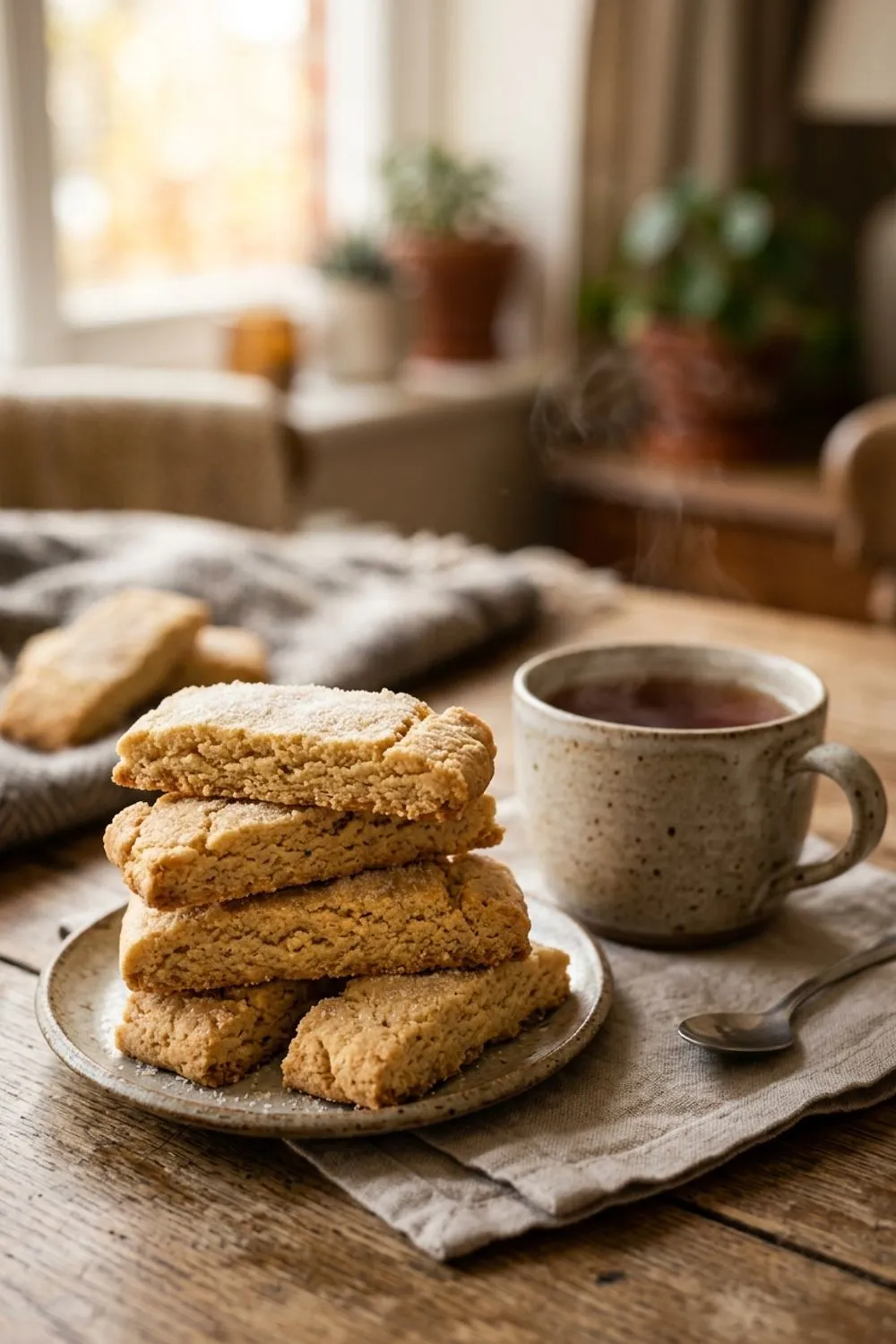
Shortbread is one of those rare cookies that genuinely improves the experience of whatever you are drinking alongside it. A cup of Earl Grey with a shortbread cookie is one of life’s simplest and most satisfying pleasures. The bergamot in the tea amplifies the vanilla in the cookie, and the butter cuts through the tannins beautifully.
Black coffee and shortbread make an outstanding pair as well. The bitterness of the coffee plays off the sweetness and richness of the butter, and the cookie’s sandy texture softens just slightly when dunked — if you are a dunker, shortbread holds up better than almost any other cookie without falling apart into your mug. Hot chocolate is another natural companion, especially during the winter months. The combination of warm, creamy chocolate and cold, buttery shortbread is the kind of small luxury that makes an ordinary evening feel special.
Never Miss a Sweet Recipe
Join 5,000+ home bakers and get new recipes straight to your inbox.
Ingredients
Instructions
- 1
Cream the butter and sugar
In a large bowl, beat the room temperature butter with an electric mixer on medium speed until smooth and creamy, about 1 minute. Add the powdered sugar and beat on low speed until just combined, then increase to medium and beat for 2 minutes until light and fluffy. Scrape down the sides of the bowl. Add the vanilla extract and mix briefly to combine.
- 2
Add the flour
Add the flour and salt to the butter mixture. Mix on the lowest speed until the flour is just incorporated — about 30 seconds. The dough will look crumbly at first, then come together into a soft, cohesive mass. Do not overmix. If you squeeze a handful and it holds together, it is ready.
- 3
Shape the dough
Turn the dough out onto a lightly floured surface. Divide it in half and shape each half into a flat disc about 1 inch thick. Wrap each disc tightly in plastic wrap. You can also roll the dough into logs about 2 inches in diameter for slice-and-bake rounds.
- 4
Chill the dough
Refrigerate the wrapped dough for at least 1 hour, or up to 3 days. Chilling is essential — it firms up the butter so the cookies hold their shape during baking and develops a more tender, melt-in-your-mouth texture. Do not skip this step.
- 5
Roll and cut
Preheat your oven to 325°F (165°C). Line two baking sheets with parchment paper. Roll the chilled dough to about 1/4 inch thickness on a lightly floured surface. Cut into rounds with a 2-inch cookie cutter, or cut into rectangles or traditional fingers. Place cookies 1 inch apart on the prepared sheets. If using the log method, simply slice into 1/4 inch rounds. Prick each cookie twice with a fork.
- 6
Bake low and slow
Bake for 14-16 minutes, rotating the pans halfway through. The cookies should be set and firm to the touch but still pale — just barely golden around the very edges. They should not brown on top. Remove from the oven and let cool on the baking sheet for 5 minutes before transferring to a wire rack to cool completely.
Nutrition Information
Per serving (serves 24). Values are approximate.
| Calories | 130 calories |
| Total Fat | 8g |
| Saturated Fat | 5g |
| Carbohydrates | 13g |
| Sugar | 4g |
| Protein | 1g |
| Sodium | 25mg |
| Fiber | 0g |
* Percent Daily Values are based on a 2,000 calorie diet. Your daily values may be higher or lower depending on your calorie needs. Nutritional information is an estimate and may vary.
Frequently Asked Questions
Why do shortbread cookies use so few ingredients?
Shortbread is all about the butter. With so few ingredients, each one is front and center. The simplicity is the whole point — there is nothing to hide behind, so you taste pure butter, a hint of sugar, and tender flour. Quality butter makes or breaks this recipe.
What temperature should the butter be?
Room temperature — about 65-68°F (18-20°C). The butter should be soft enough to dent easily when you press it with your finger, but it should not be greasy, shiny, or melting. If it is too soft, the cookies will spread too much. If too cold, the dough will be crumbly and hard to work with.
Why are my shortbread cookies crumbly and falling apart?
A little crumbliness is actually the hallmark of good shortbread. But if they are completely falling apart, the dough may not have been mixed long enough for the butter to bind everything together. Make sure you cream the butter until truly smooth before adding the flour, and give the dough enough mixing time to come together.
How do I store shortbread cookies?
Store in an airtight container at room temperature for up to 2 weeks — shortbread has excellent keeping qualities due to the high butter content and low moisture. You can also freeze baked cookies for up to 3 months or freeze unbaked dough logs for up to 2 months. Slice and bake from frozen, adding 1-2 minutes to the bake time.

Reader Reviews
Based on 203 reviews