Cookies & Bars
Buttery Shortbread Cookies
Classic buttery shortbread cookies that melt in your mouth. Just five simple ingredients for the most tender, crumbly cookies you will ever bake.
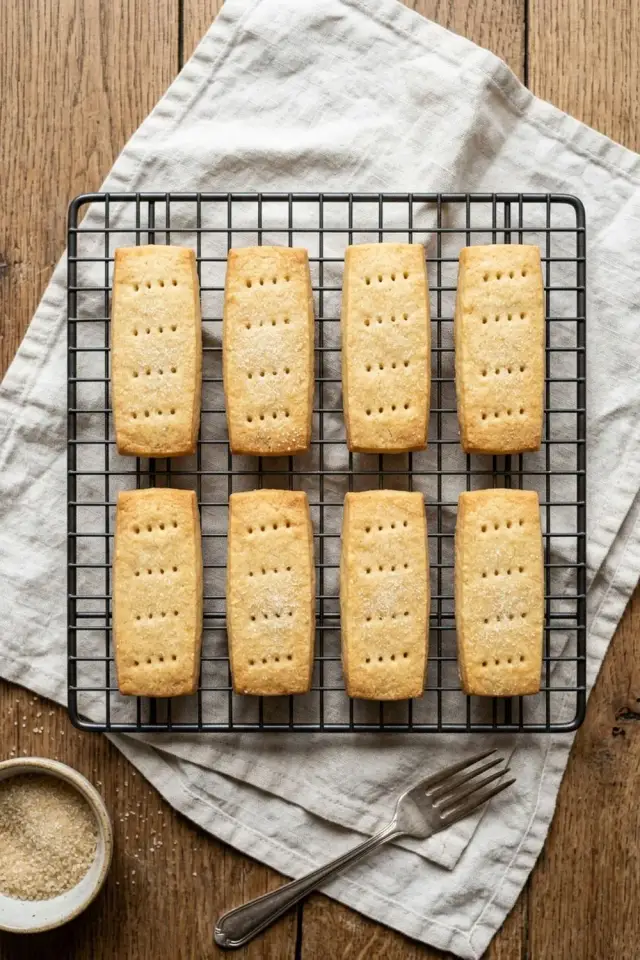
Five Ingredients, Pure Butter Perfection
Shortbread is the most honest cookie you will ever bake. No frosting to hide behind, no chocolate chips competing for attention — just five simple ingredients, perfectly executed. With roots stretching back to medieval Scotland, this recipe proves that simplicity done right is always enough. Use the best butter you can find, because in shortbread, butter is the undisputed star.
Baker’s Tips
- Use European-style butter (like Kerrygold or Plugra) with higher butterfat content — you will genuinely taste the difference.
- Mix the flour on the lowest speed and stop the moment the dough holds together when squeezed. Overmixing develops gluten and makes cookies tough instead of tender.
- Do not skip the 1-hour chill — it firms the butter so cookies hold their shape and bake evenly, and it relaxes the gluten for extra tenderness.
- Bake at 325°F and pull when the tops are still pale with just a faint hint of gold at the edges. Let them rest 5 minutes on the sheet before moving.
Variations
- Chocolate Dipped: Dip one end of each cooled cookie in melted dark chocolate and sprinkle with flaky sea salt.
- Lemon Shortbread: Add 1 tablespoon finely grated lemon zest to the butter before creaming for a bright, citrusy twist.
- Rosemary Shortbread: Fold 1 tablespoon finely minced fresh rosemary into the dough — surprisingly wonderful alongside a cheese course.
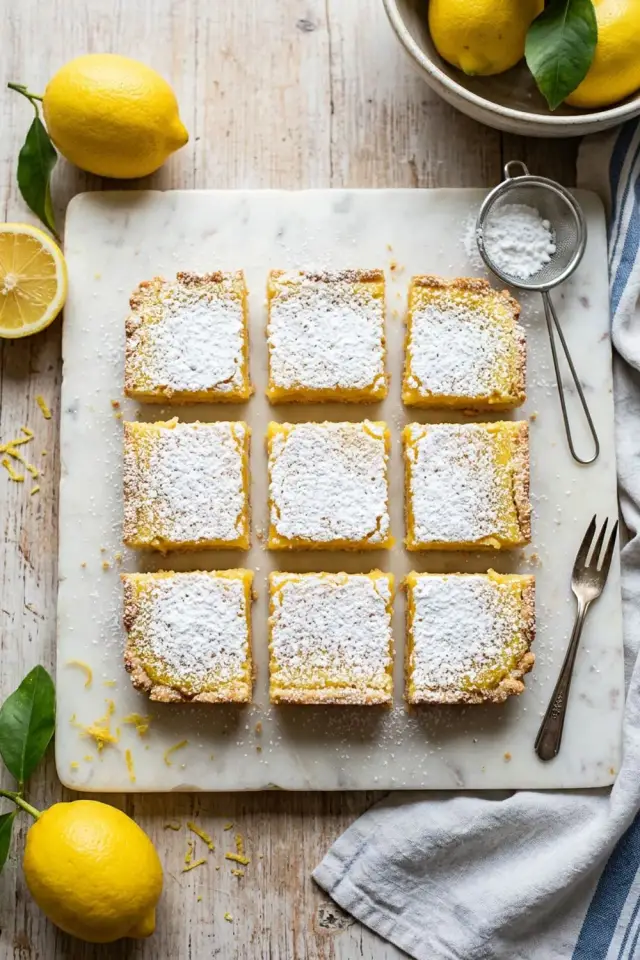
If you love lemon desserts, try my lemon bars which use a similar shortbread base. For a festive cookie box, pair these with my Christmas sugar cookies.
Ingredients
Instructions
- 1
Cream the butter and sugar
In a large bowl, beat the room temperature butter with an electric mixer on medium speed until smooth and creamy, about 1 minute. Add the powdered sugar and beat on low speed until just combined, then increase to medium and beat for 2 minutes until light and fluffy. Scrape down the sides of the bowl. Add the vanilla extract and mix briefly to combine.
- 2
Add the flour
Add the flour and salt to the butter mixture. Mix on the lowest speed until the flour is just incorporated — about 30 seconds. The dough will look crumbly at first, then come together into a soft, cohesive mass. Do not overmix. If you squeeze a handful and it holds together, it is ready.
- 3
Shape the dough
Turn the dough out onto a lightly floured surface. Divide it in half and shape each half into a flat disc about 1 inch thick. Wrap each disc tightly in plastic wrap. You can also roll the dough into logs about 2 inches in diameter for slice-and-bake rounds.
- 4
Chill the dough
Refrigerate the wrapped dough for at least 1 hour, or up to 3 days. Chilling is essential — it firms up the butter so the cookies hold their shape during baking and develops a more tender, melt-in-your-mouth texture. Do not skip this step.
- 5
Roll and cut
Preheat your oven to 325°F (165°C). Line two baking sheets with parchment paper. Roll the chilled dough to about 1/4 inch thickness on a lightly floured surface. Cut into rounds with a 2-inch cookie cutter, or cut into rectangles or traditional fingers. Place cookies 1 inch apart on the prepared sheets. If using the log method, simply slice into 1/4 inch rounds. Prick each cookie twice with a fork.
- 6
Bake low and slow
Bake for 14-16 minutes, rotating the pans halfway through. The cookies should be set and firm to the touch but still pale — just barely golden around the very edges. They should not brown on top. Remove from the oven and let cool on the baking sheet for 5 minutes before transferring to a wire rack to cool completely.
Nutrition Information
Per serving (serves 24). Values are approximate.
| Calories | 130 calories |
| Total Fat | 8g |
| Saturated Fat | 5g |
| Carbohydrates | 13g |
| Sugar | 4g |
| Protein | 1g |
| Sodium | 25mg |
| Fiber | 0g |
* Percent Daily Values are based on a 2,000 calorie diet. Your daily values may be higher or lower depending on your calorie needs. Nutritional information is an estimate and may vary.
Never Miss a Sweet Recipe
Join 5,000+ home bakers and get new recipes straight to your inbox.
Frequently Asked Questions
Why do shortbread cookies use so few ingredients?
Shortbread is all about the butter. With so few ingredients, each one is front and center. The simplicity is the whole point — there is nothing to hide behind, so you taste pure butter, a hint of sugar, and tender flour. Quality butter makes or breaks this recipe.
What temperature should the butter be?
Room temperature — about 65-68°F (18-20°C). The butter should be soft enough to dent easily when you press it with your finger, but it should not be greasy, shiny, or melting. If it is too soft, the cookies will spread too much. If too cold, the dough will be crumbly and hard to work with.
How do I store shortbread cookies?
Store in an airtight container at room temperature for up to 2 weeks — shortbread has excellent keeping qualities due to the high butter content and low moisture. You can also freeze baked cookies for up to 3 months or freeze unbaked dough logs for up to 2 months. Slice and bake from frozen, adding 1-2 minutes to the bake time.

Reader Reviews
Based on 580 reviews