Cookies & Bars
Snickerdoodles
What Makes a Snickerdoodle a Snickerdoodle
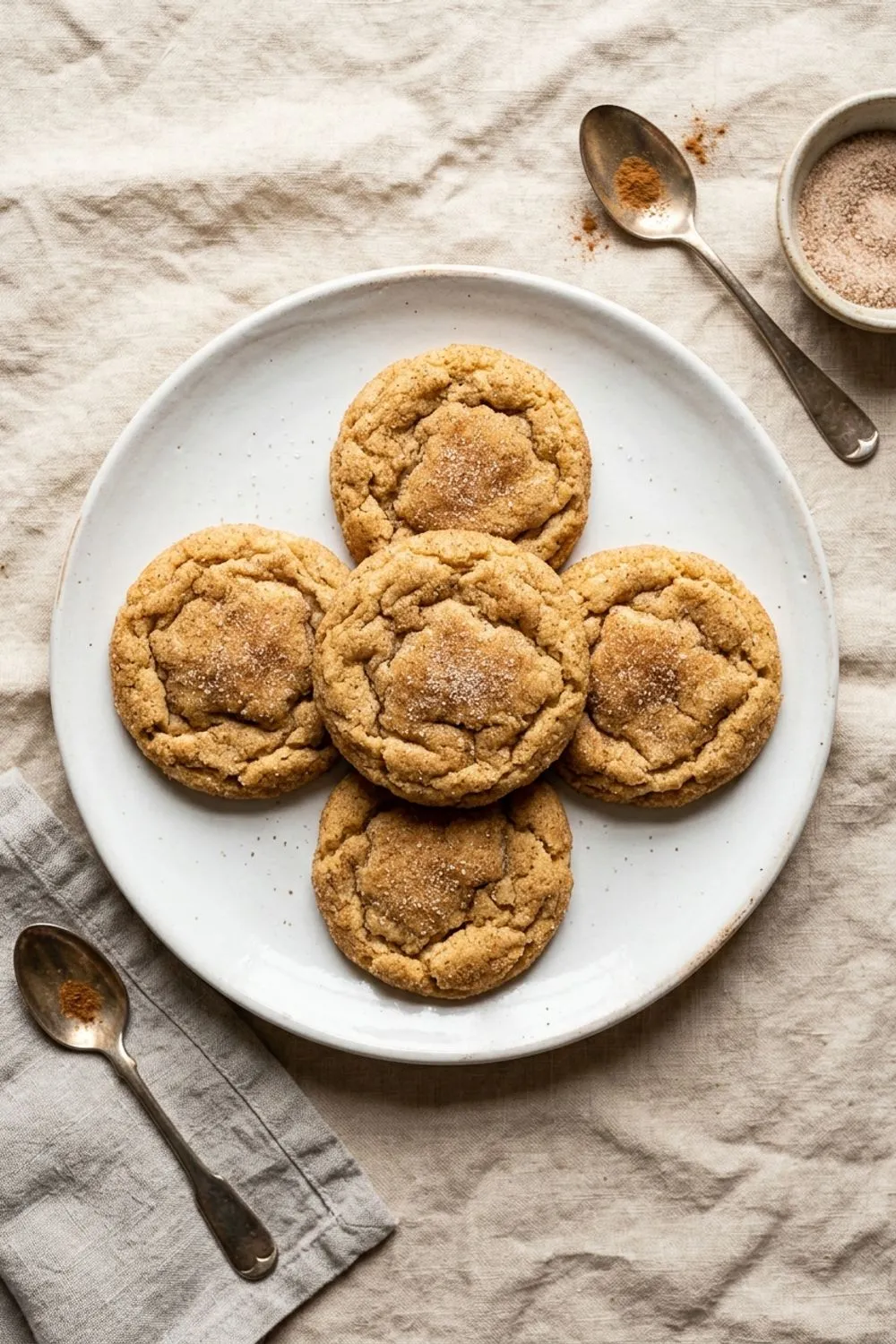
A snickerdoodle is not just a sugar cookie rolled in cinnamon. I understand the confusion — they look similar, and many bad recipes treat them interchangeably. But a true snickerdoodle has a secret ingredient that changes everything: cream of tartar.
This magical acidic powder gives the snickerdoodle its signature tangy flavor — that subtle brightness that balances the sweetness and makes these cookies uniquely addictive. It also contributes to the distinctive chewy-soft texture and those gorgeous crinkly, crackled tops that make snickerdoodles instantly recognizable.
I’ve been making these since college, when a friend’s mom shared her recipe on a handwritten index card. I’ve tweaked the ratios over the years, adjusted the cinnamon coating, and experimented with baking temperatures, but the bones of the recipe remain the same. That’s the mark of a great recipe — it’s already nearly perfect from the start.
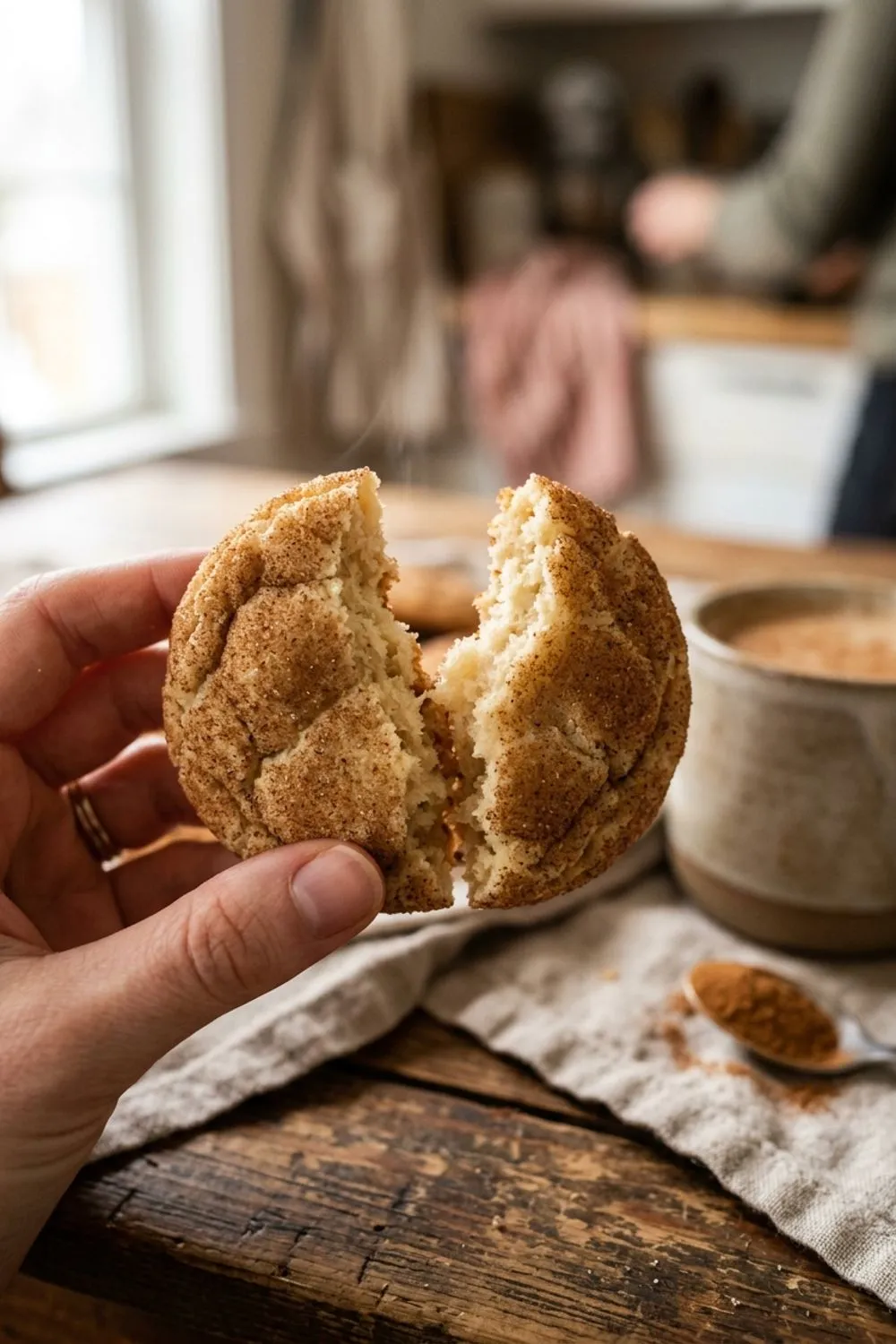
These cookies are pillowy soft in the center with a slight crunch from the cinnamon sugar coating on the outside. They’re the kind of cookie that disappears from a platter before anything else at a potluck, the kind that kids and adults reach for equally, and the kind that somehow tastes like nostalgia even if you’ve never made them before.
The Science of the Perfect Snickerdoodle
Cream of Tartar: The Essential Ingredient
Cream of tartar (potassium bitartrate) is a byproduct of winemaking — it’s the crystalline deposit that forms on the inside of wine barrels. In baking, it serves several purposes in snickerdoodles.
First, it reacts with baking soda to create carbon dioxide, which makes the cookies rise and become light and puffy. Second, it inhibits sugar crystallization, which contributes to the chewy texture. Third, and most importantly for flavor, it adds a subtle tartness that defines the snickerdoodle flavor profile. Without it, you have a perfectly fine cinnamon sugar cookie, but you don’t have a snickerdoodle.
You can find cream of tartar in the spice aisle of any grocery store. A small jar will last through dozens of batches since you only need half a teaspoon per recipe. It’s also useful for stabilizing whipped cream and egg whites, so it won’t go to waste.
The Puff and Deflate
One of the coolest things about snickerdoodles is watching them in the oven. They puff up dramatically during baking — almost comically puffy — and then gently deflate as they cool. This rising and falling is what creates those signature crinkly, wrinkled tops that make snickerdoodles look so inviting.
The rapid rise comes from the cream of tartar and baking soda reaction, which produces a burst of gas at oven temperature. As the cookies cool, the structure can’t fully support itself, so they settle slightly, creating wrinkles in the set cinnamon sugar crust.
Tips for Snickerdoodle Success
Generous Cinnamon Sugar Coating
Roll the dough balls thoroughly in the cinnamon sugar — don’t just sprinkle it on top. You want a complete, even coating on every surface. The cinnamon sugar creates a flavorful crust on the outside that contrasts beautifully with the soft, tangy cookie underneath.
I like to make extra cinnamon sugar coating beyond what the recipe calls for, because it’s impossible to coat cookies well when you’re scraping the bottom of a near-empty bowl. Leftover cinnamon sugar is never wasted — sprinkle it on toast, oatmeal, or hot chocolate.
Don’t Flatten Before Baking
Unlike many cookie recipes, you don’t need to press these down. The round balls will spread and flatten on their own during baking, thanks to the butter melting and the dough softening in the oven’s heat. Pressing them flat before baking will give you thin, crispy cookies instead of thick, soft ones.
Higher Oven Temperature
Notice this recipe bakes at 375°F instead of the usual 350°F. The higher temperature causes rapid rise and sets the outside quickly while the inside stays soft. It’s the difference between a puffy, chewy snickerdoodle and a flat, crispy one.
Variations on the Classic
Brown Butter Snickerdoodles: Brown the butter first (cook it until it smells nutty and the solids are golden), then chill until solid. The browned butter adds a rich, toffee-like depth that’s incredible with the cinnamon.
Chai Snickerdoodles: Add 1/2 teaspoon cardamom, 1/4 teaspoon ginger, and a pinch of cloves to the cinnamon sugar coating. These taste like a chai latte in cookie form.
Pumpkin Snickerdoodles: Add 2 tablespoons pumpkin puree and 1/4 teaspoon pumpkin pie spice to the dough. Slightly softer and perfect for fall. Pair with my pumpkin spice muffins for a full pumpkin spread.
Maple Snickerdoodles: Replace 1/4 cup of the granulated sugar with maple sugar. The maple flavor is subtle but transforms these into something special.
Double Cinnamon Snickerdoodles: Add 1 teaspoon of cinnamon to the dough itself, in addition to the cinnamon sugar coating. For true cinnamon lovers only.
How to Store Snickerdoodles
Room temperature: Store in an airtight container for up to 5 days. Snickerdoodles stay soft and chewy remarkably well, especially if you store them with a slice of bread to maintain moisture.
Freezer (baked): Freeze cooled cookies in a single layer, then transfer to a bag. Good for 3 months. Thaw at room temperature for 15 minutes.
Freezer (dough balls): Roll dough into balls, coat in cinnamon sugar, freeze on a sheet pan, then bag them. Bake from frozen for 11-12 minutes. Always having snickerdoodle dough in the freezer is a power move.
Snickerdoodles Through History
The origin of the snickerdoodle name is surprisingly disputed. Some food historians trace it to the German word “Schneckennudeln,” a type of cinnamon-dusted pastry. Others claim it’s a New England creation with a name that was simply invented for fun — a nonsense word, like many cookie names of the era.
Whatever the origin, snickerdoodles have been an American cookie staple since at least the late 1800s. They appear in community cookbooks throughout the early 20th century, always with cream of tartar as a defining ingredient. It’s a recipe that has stood the test of time because it simply works.
If you love these, try my sugar cookies for another classic, or my gingerbread cookies for a spicier holiday option.
Never Miss a Sweet Recipe
Join 5,000+ home bakers and get new recipes straight to your inbox.
Ingredients
Cookie dough
Cinnamon sugar coating
Instructions
- 1
Cream butter and sugar
In a large bowl, beat the softened butter and sugar with an electric mixer on medium speed for 2-3 minutes until light and fluffy. Beat in the egg and vanilla until smooth.
- 2
Mix dry ingredients
In a separate bowl, whisk together the flour, cream of tartar, baking soda, and salt. Add to the butter mixture and mix on low speed until a soft dough forms.
- 3
Prepare cinnamon sugar
In a small bowl, stir together the sugar and cinnamon for the coating.
- 4
Shape and coat
Roll tablespoon-sized portions of dough into balls. Roll each ball thoroughly in the cinnamon sugar mixture until completely coated. Place on parchment-lined baking sheets about 2 inches apart.
- 5
Bake
Bake at 375°F (190°C) for 8-10 minutes. The edges should be set but the centers should still look puffy and slightly underdone. They'll puff up during baking, then deflate slightly as they cool, creating those signature crinkly tops.
- 6
Cool
Cool on the baking sheet for 5 minutes, then transfer to a wire rack. The cookies will be very soft when hot but firm up to a perfect chewy texture as they cool.
Nutrition Information
Per serving (serves 24). Values are approximate.
| Calories | 165 calories |
| Total Fat | 5g |
| Saturated Fat | 3g |
| Carbohydrates | 28g |
| Sugar | 17g |
| Protein | 2g |
| Sodium | 75mg |
| Fiber | 0.3g |
* Percent Daily Values are based on a 2,000 calorie diet. Your daily values may be higher or lower depending on your calorie needs. Nutritional information is an estimate and may vary.
Frequently Asked Questions
What is cream of tartar and why is it needed?
Cream of tartar is an acidic powder (potassium bitartrate) that gives snickerdoodles their signature tangy flavor and chewy texture. It reacts with baking soda to create lift. Without it, these are just cinnamon sugar cookies — good, but missing that distinctive snickerdoodle tang.
Can I substitute cream of tartar?
Replace 1/2 tsp cream of tartar + 1/4 tsp baking soda with 3/4 tsp baking powder. The rise will be similar but the tangy flavor won't be the same.
Why do my snickerdoodles go flat?
Make sure your butter is softened but not melted, and don't skip the cream of tartar. If your kitchen is warm, chill the dough for 30 minutes before rolling.
Why do they puff up then deflate?
That's exactly what should happen! The baking soda and cream of tartar cause rapid rise in the oven, then the cookies deflate slightly as they cool, creating those beautiful crinkly, wrinkled tops.

Reader Reviews
Based on 178 reviews